
Turning Nature into Investment: India’s $500 billion pathway for climate and farmers
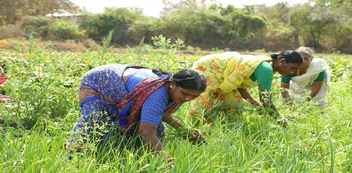




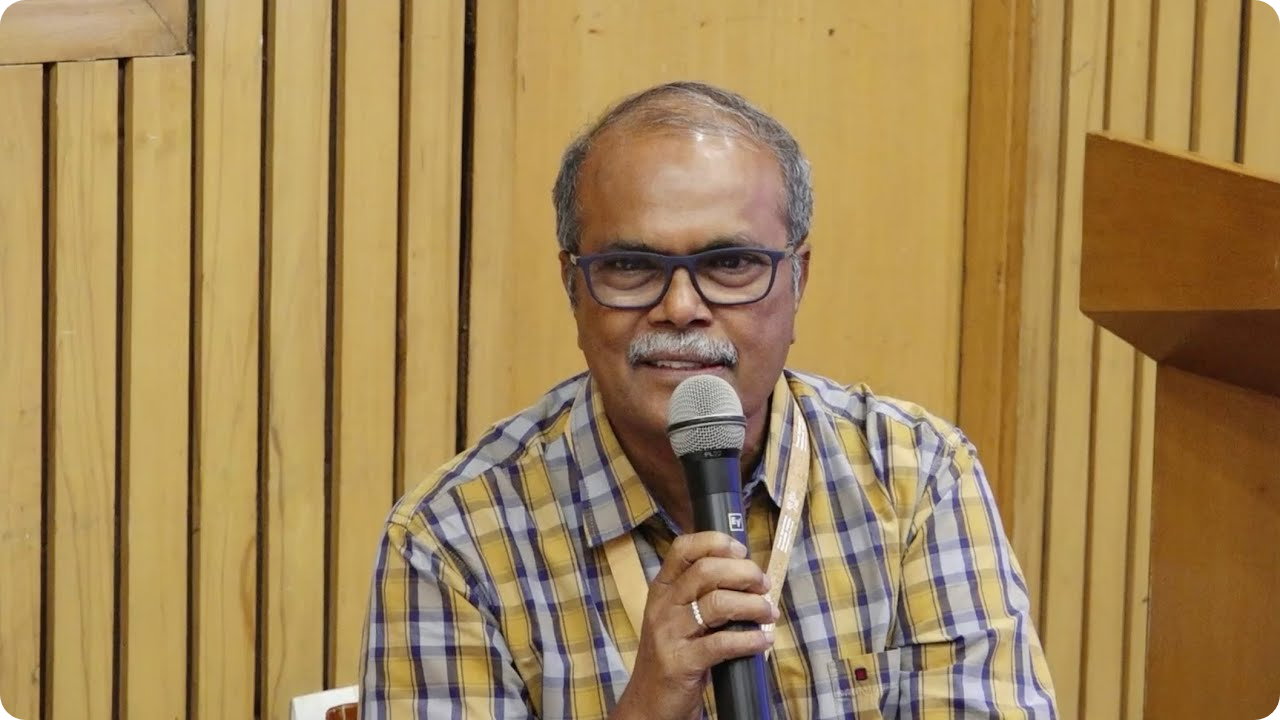
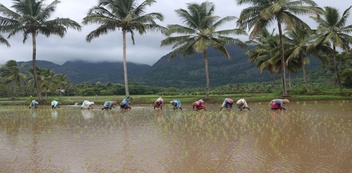
FOLU India’s women-led circular initiative helps to catalyse the local economy worth USD 12,756 against a pilot investment of USD 2,825, ultimately unlocking public finance worth USD 750,000.
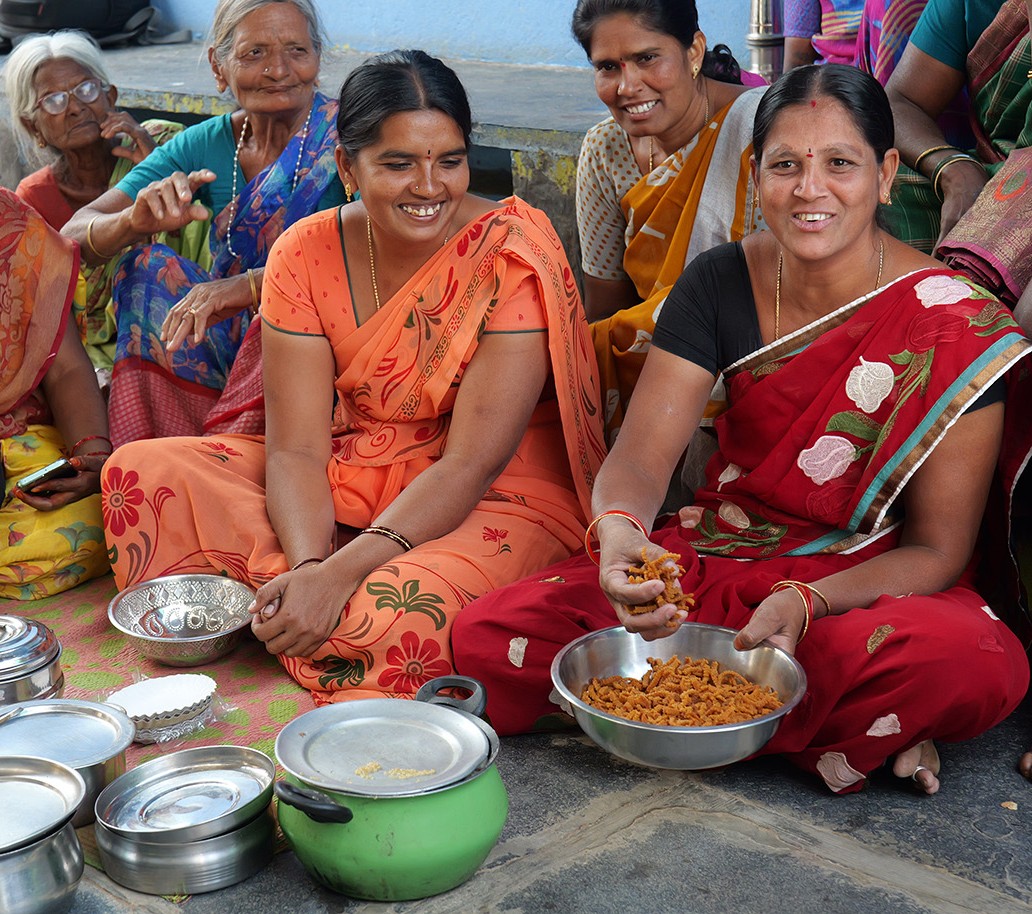
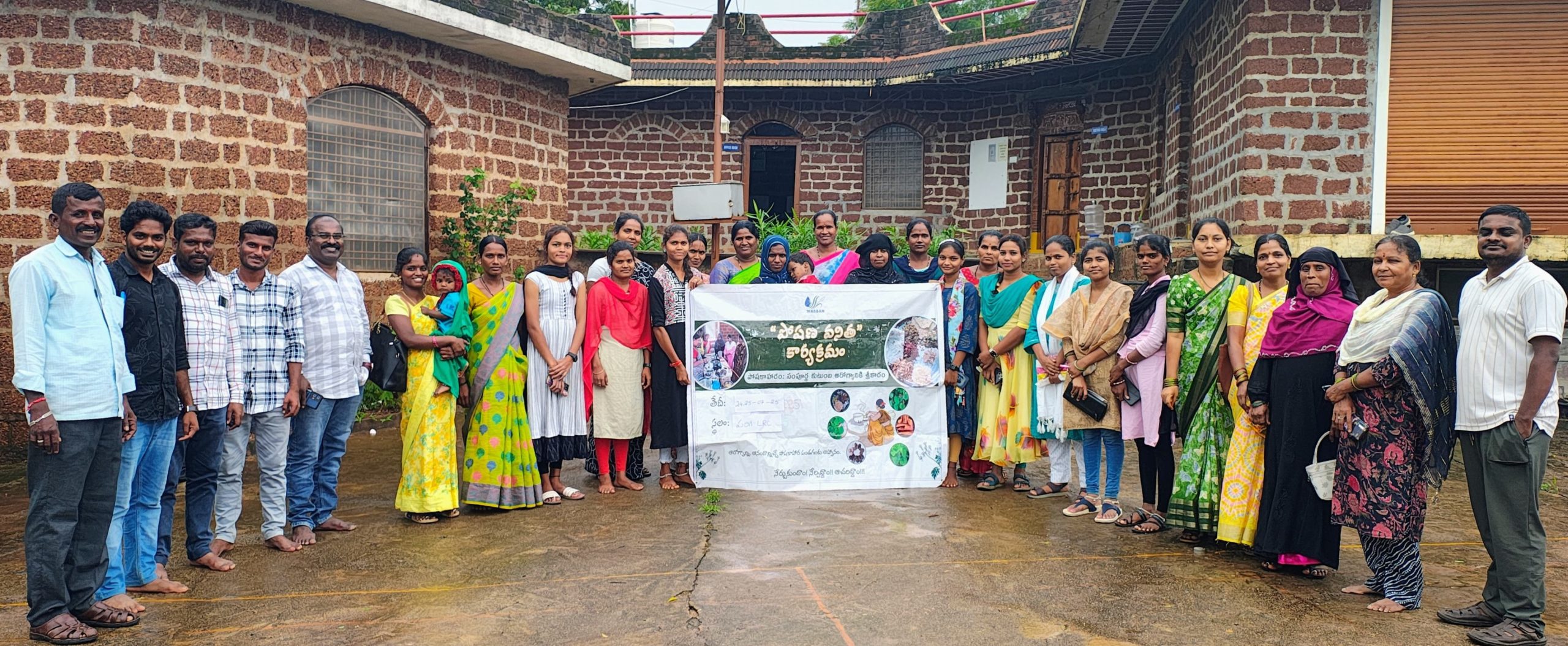
“Being a Poshana Vanitha is now my identity in the neighbourhood.” 45-year-old Chandramma from Metlakunta village of Telangana says that this is now her aim in life to reach out to as many people as possible and encourage them to consume nutritious food.
“I believed that by improving our diet, we could reduce dependency on medicines. Even if not for business, I wanted to provide healthy food to my family,” says Shankunthala from Gokafasalwad village.
Both Shankunthala and Chandramma, who are from the Vikarabad district in Telangana, had earlier observed health related issues in their own families and their community, especially in women and children. Ever since their engagement with the Poshana Vanitha programme, translated as the Nourishing Women, they have seen noticeable difference in the health conditions of their people. Chandramma mentions about a family member who experienced relief from knee pain through integration of more nutrient-dense grains in their meal plate, especially millets. Shankunthala talks about her husband’s high blood pressure concern which was managed through diversified food items.
“I observed that people across all age groups in the village, including my family, were facing lifestyle-related health issues. Whenever we visited doctors, they consistently advised us to improve our food habits and eat healthier,” says Vasavi, another Vanitha from the Erlapally village in the Vikarabad district.
The Poshana Vanitha programme was introduced as a pilot by WASSAN in 2022, a core partner of Food and Land Use Coalition India, as part of FOLU India Sustainable Rainfed Agriculture Programme (FISRAP). FISRAP is an umbrella initiative of FOLU India for transforming agricultural landscapes in rainfed areas. Under the programme, a group of women from across 31 villages of the Vikarabad and Sri Sathya Sai districts were provided training workshops to equip them with the knowledge on the importance of nutrition, diversification of food plate and leveraging locally grown foods through generational or traditional recipes. “Seeing the increasing health issues within my family, I decided to join the programme. I wanted to learn more about nutritious food and provide healthier options for my family members,” says Vasavi.
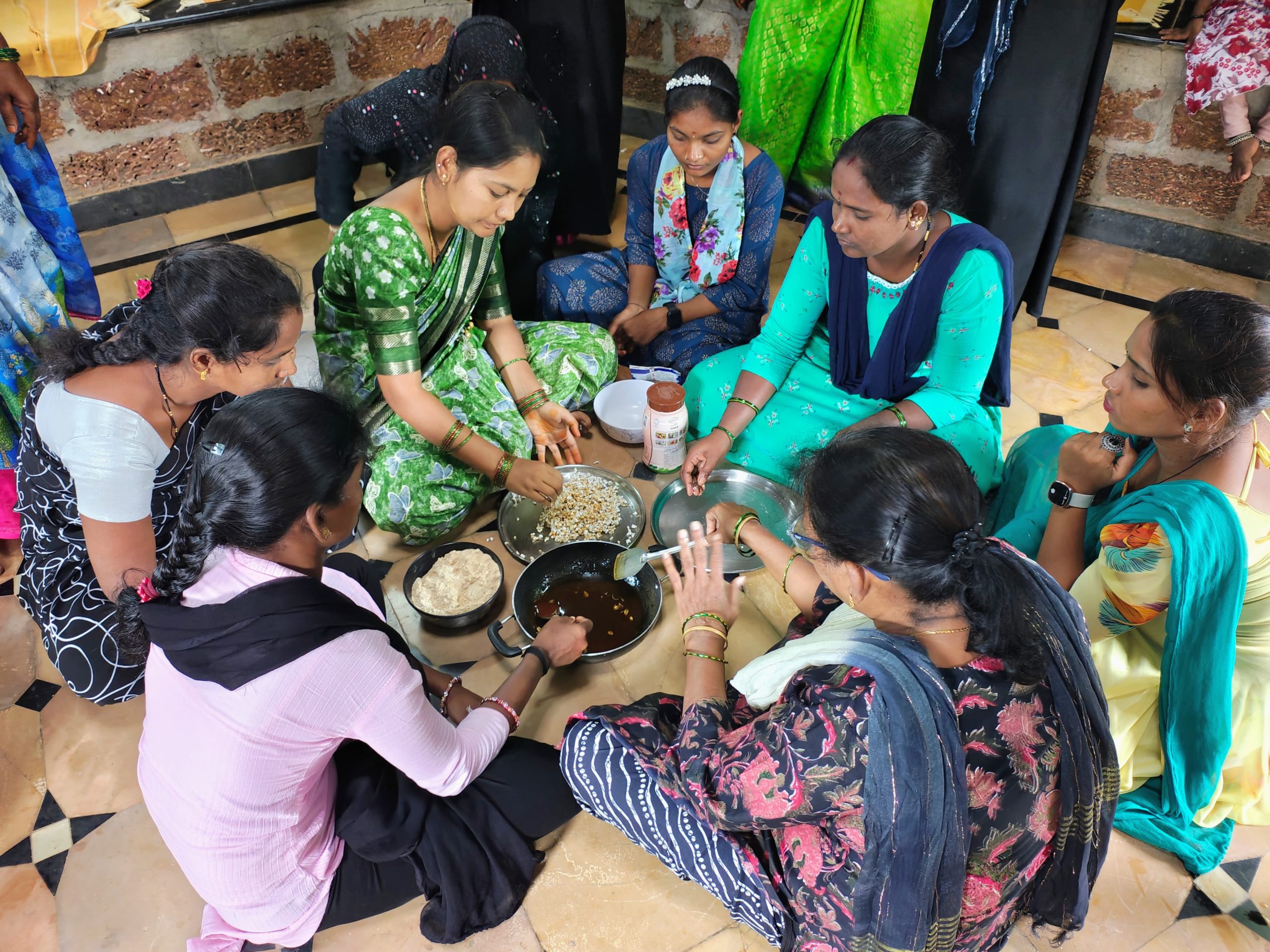
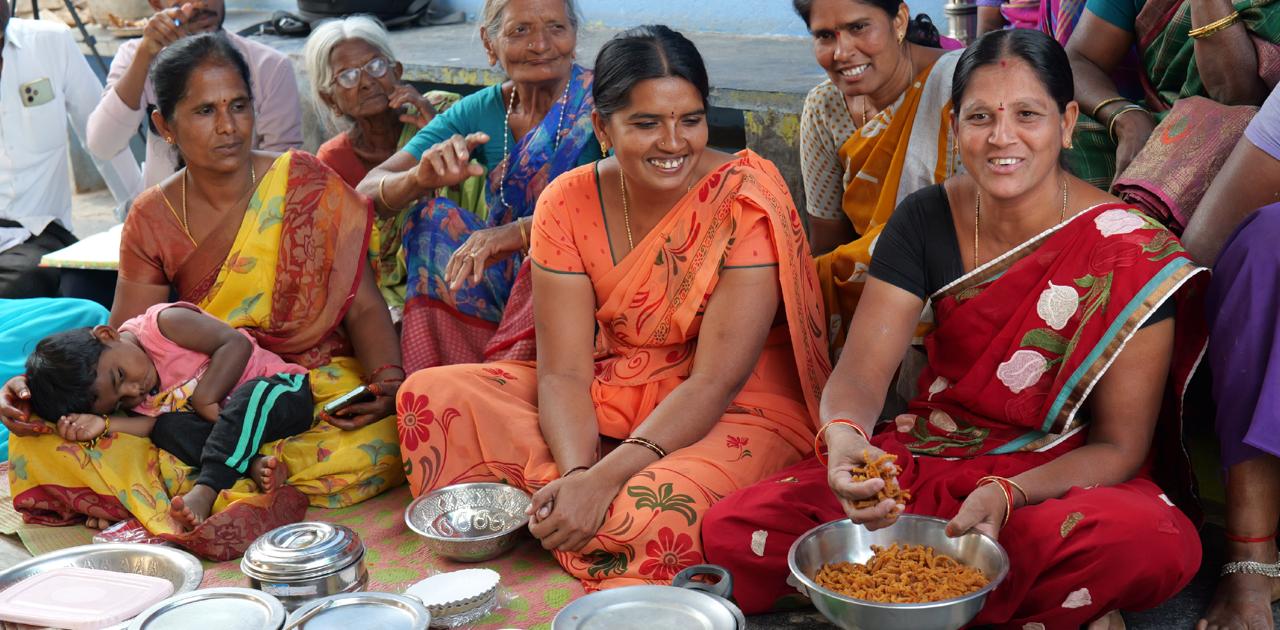
Vanithas preparing traditional nutritional recipes with other community women
Once sensitised and well-informed, these Poshana Vanithas worked through women collectives such as Self-Help Groups that were already active in the village to organise community workshops for other village members where they explained to them the health benefits of consuming fresh and a wide variety of foods, compared to a handful of staple grains and vegetables. Once other community members found value in what the Poshan Vanithas shared, they were keen to know more.
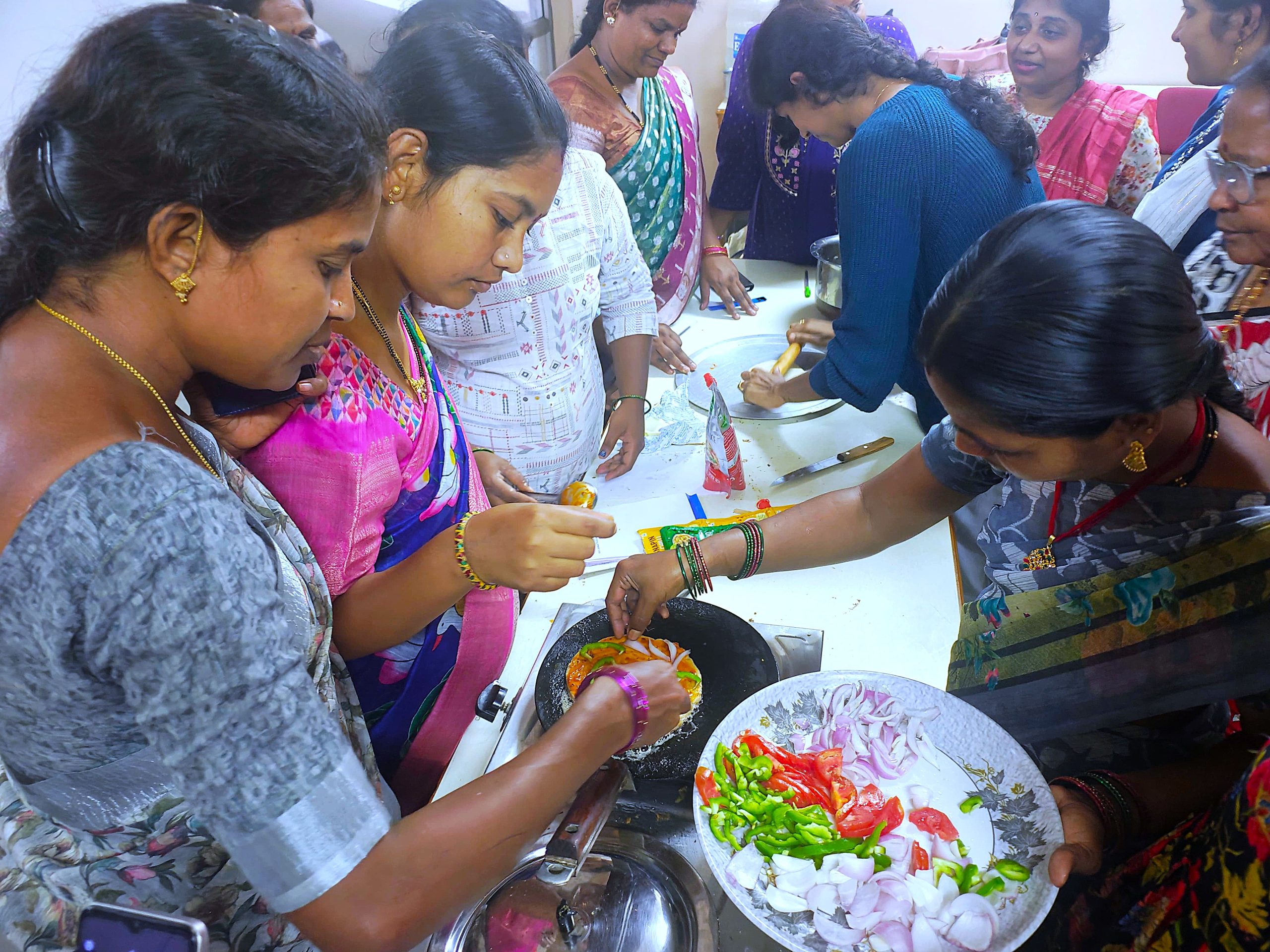
Hands-on training being provided to women through a culinary workshop
Through culinary trainings, the Vanithas shared and exchanged with other community women the traditional forgotten recipes of millets and other locally grown foods. They also demonstrated innovative ways of cooking these foods so that young children find them delicious, encouraging mothers to prepare nutrient-dense snacks at home so that the children shift away from ultra-processed food packets. The ‘One Millet Meal a Day’ motto promoted during workshops and food festivals conducted by the Vanithas have become increasingly popular in their communities.
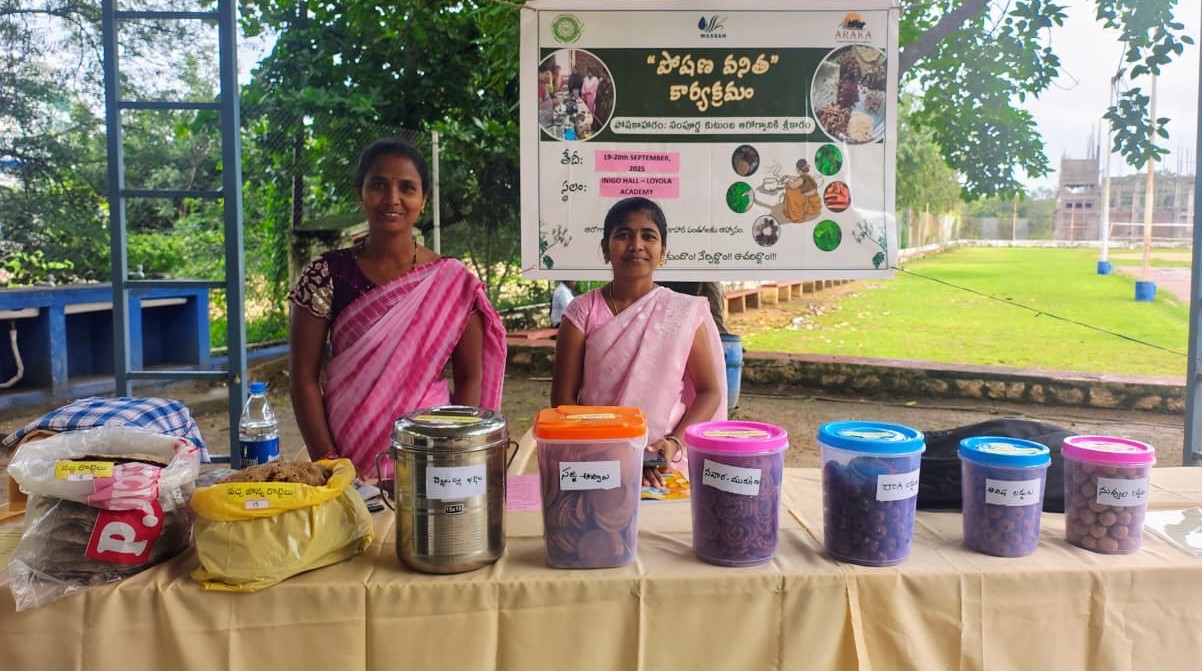
Shankunthala (left) with co-Poshana Vanitha Anita at her stall at millet festival in a college, showcasing various snack items
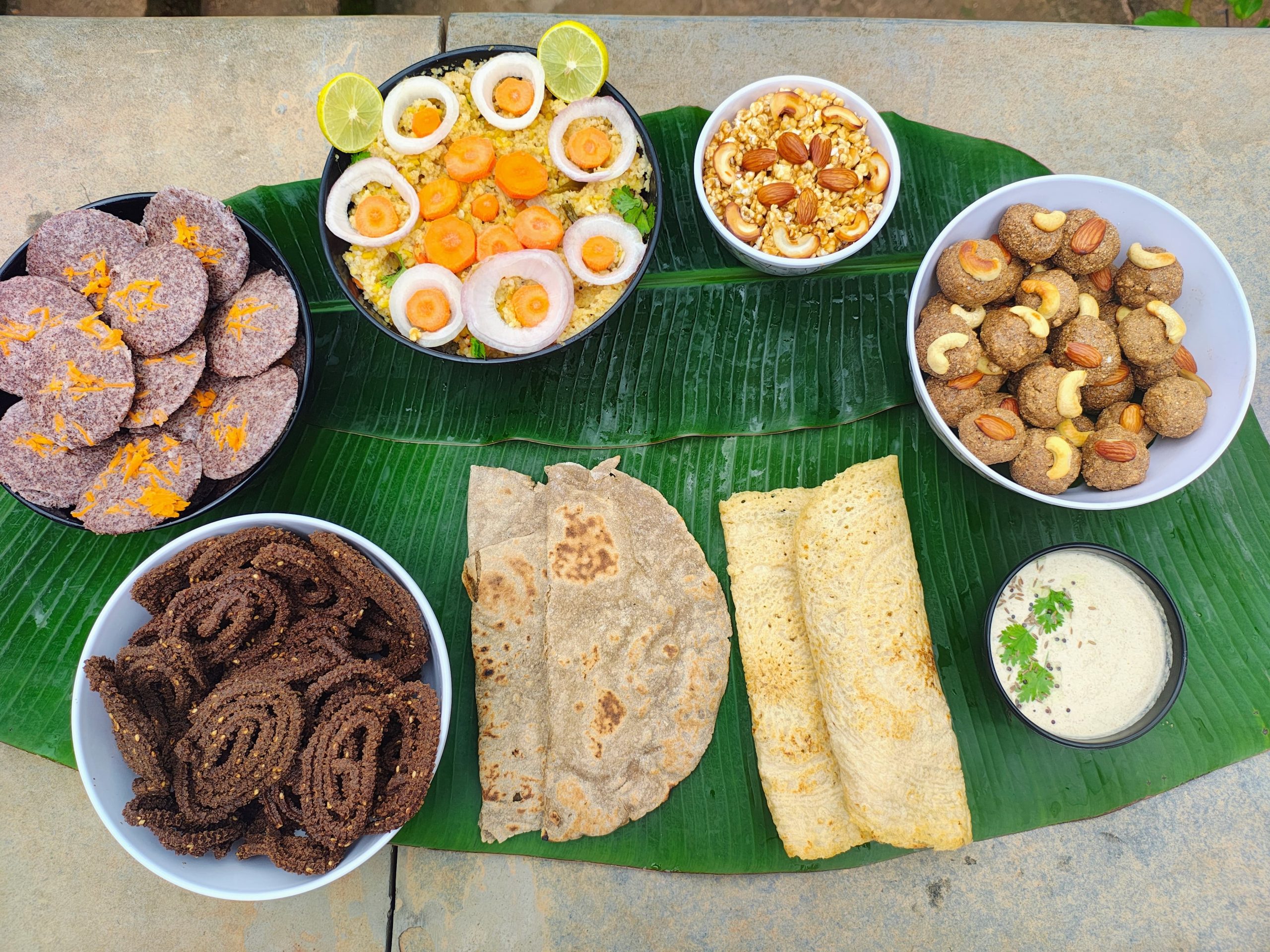
A millet-based ‘poshana thali’ or nutrition plate, comprising food items like ragi idlis and laddoos
While envisioned to improve the nutritional status of entire households, the programme has significantly benefited young children, adolescent girls, and women. The focus group was selected based on dietary and anthropometric assessments, which was supported by Anganwadi and ASHA workers.
The programme grew in its scope when subsequently these village meetings were also joined by doctors from Primary Health Centres, health workers and community who further medically explained the nutritional benefits of millets, forest foods, backyard poultry, and dairy products, and a diversified food plate, with the help of charts and other visuals.
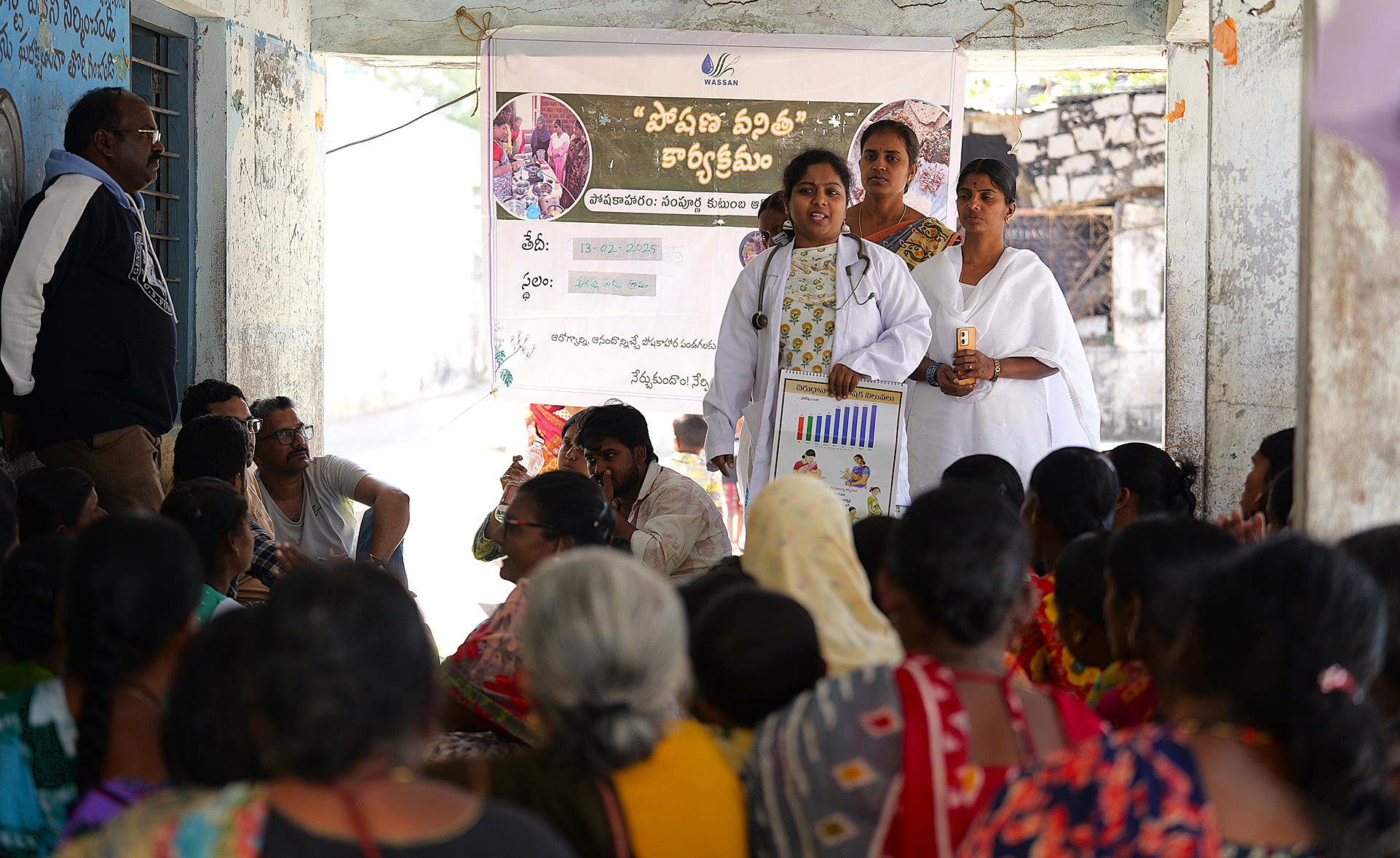
Community health workers and PHC doctors explaining the value of diversified nutrient-dense meals at a village community meeting
The programme’s integration with the farming practices in the villages extended it further in the value chain. Driven by community demand for local and seasonal grains and horticulture crops grown sustainably, the farmers adopted methods that were less chemical intensive and regenerative in nature. This also helped to address the once-declining agrobiodiversity of the region. Farmers who once practised monocropping for commercial reasons have veered towards nutrient-dense crops that are now providing them both, household nutrition as well as incomes through Farmer Producer Organisations (FPOs). “There is now a growing demand for millets, desi rice, and vegetable seeds from farmers,” says Shankunthala. This was made possible by establishing market linkages (local shops and eateries) with FPOs.
Further, through the introduction of value-added products such as ready-to-cook food items and other snacks, the Vanithas found additional livelihood opportunities where they were seen and respected as entrepreneurs in their communities. “I have started earning an additional income of around INR 5,000–6,000 per month by selling these nutritious snacks. As I run a general store, I display our products on the shelves, which has helped attract more customers. Along with income, I have also gained recognition in the community,” Vasavi mentions gleefully, another Vanitha from a different village in the Vikarabad district. Like Vasavi, many other Vanithas are earning on an average a surplus of INR 6,000, which gives them financial independence and a social standing both within and outside their households.
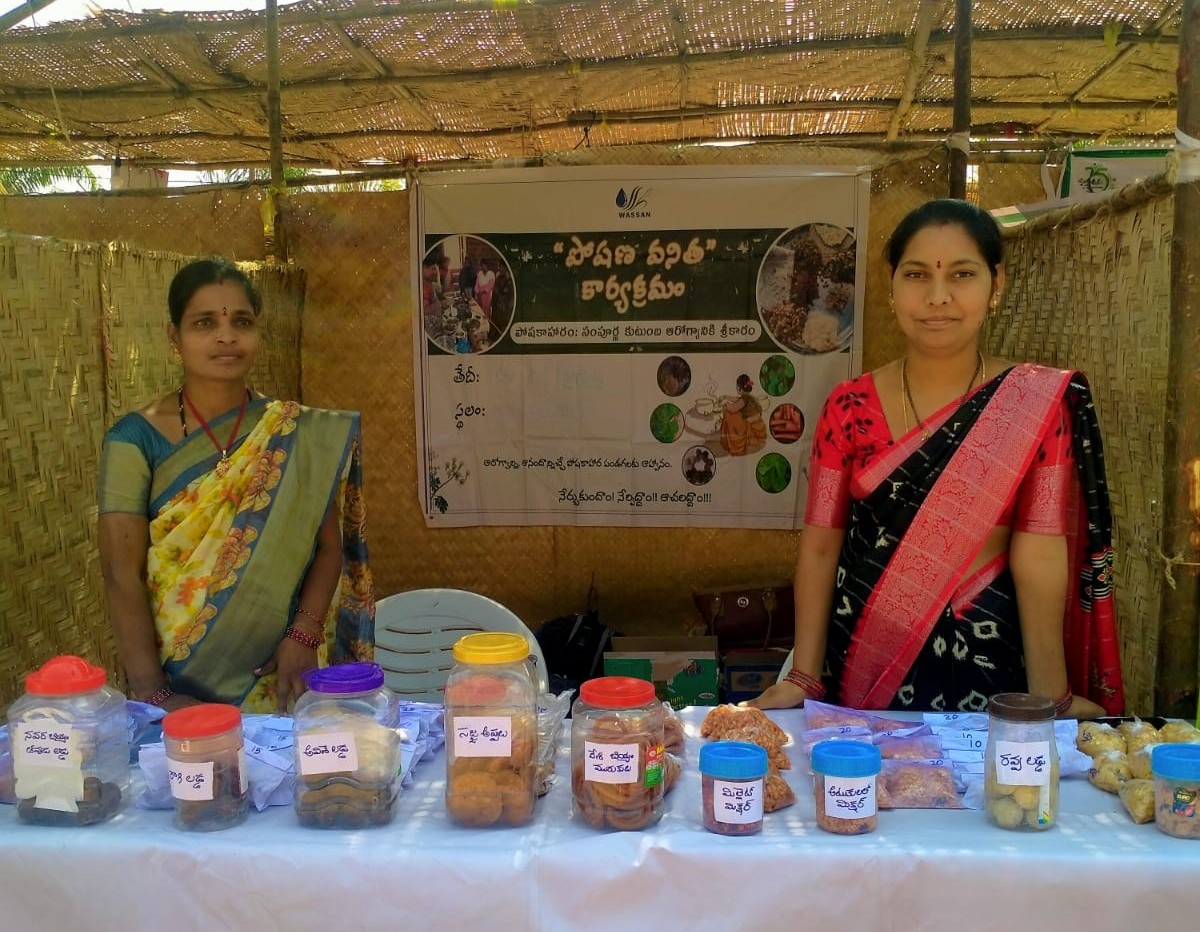
Vasavi (left) showcasing nutrient-dense ready-to-eat snacks
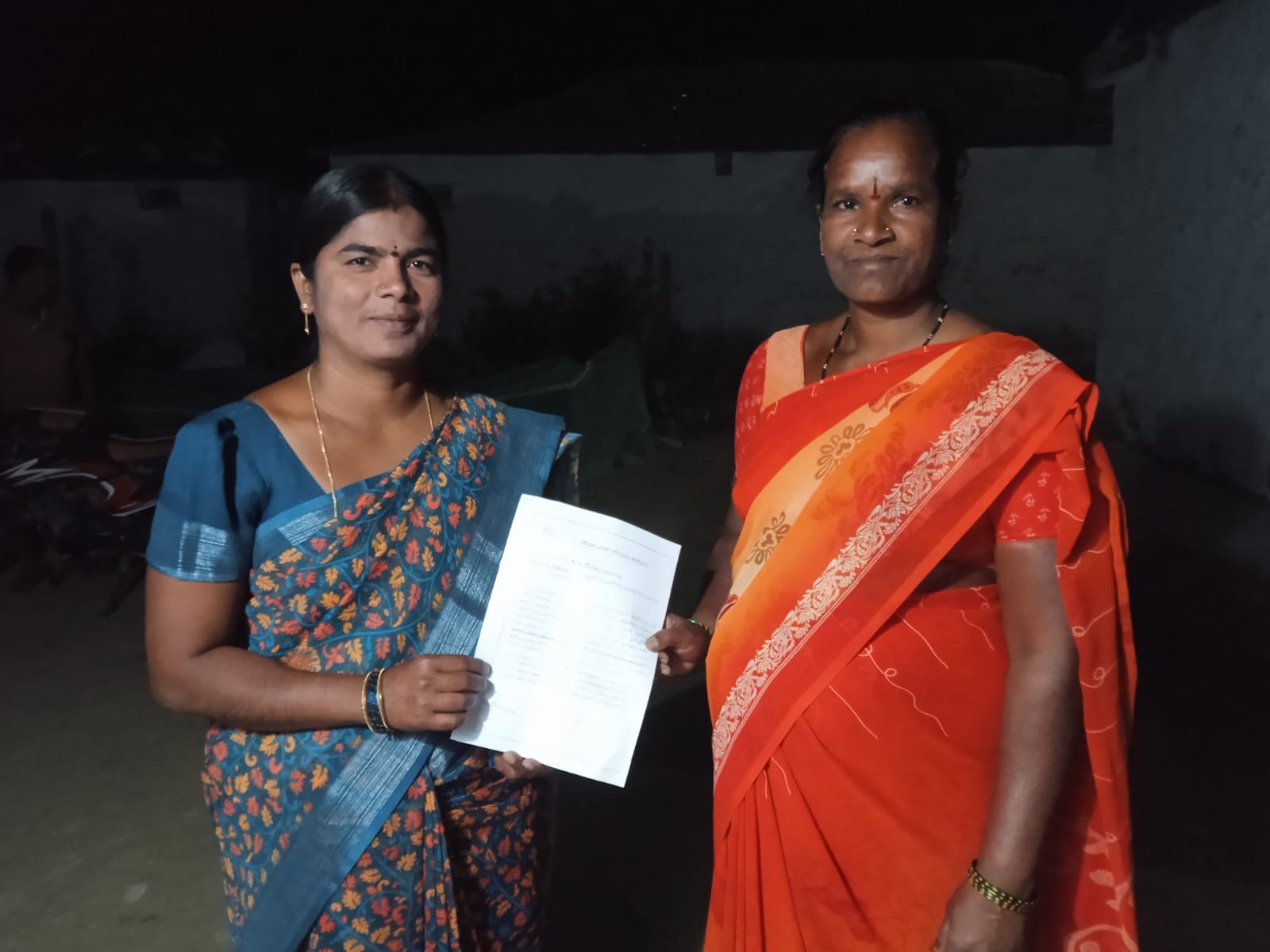
Chandramma inviting Village Sarpanch to the Poshana Vanitha Food Festival
From being malnutrition-hit, these villages are now swiftly transforming to being nutritionally secure, with gram panchayats providing a strong support to the Poshana Vanithas by committing to make their villages ‘malnutrition-free’. The programme also has a strong alignment with existing national government initiatives like Poshan Abhiyaan and National Rural Livelihood Mission. Once scaled up, the programme’s current impact is estimated to increase from 4,280 households in 31 villages to 320,000 households across 467 villages, with the cumulative value of local economies climbing up from USD 12,756 to USD 9 million annually. With funds to support its adoption and expansion in other states, especially those performing low on rural health indices, Poshan Vanithas can create long-term and lasting ground impact on all three fronts – nutrition and livelihoods (human capital), better access to food and income opportunities (social capital) and diversified agriculture (natural capital).
All photo credits: Bineesh Kandiyil (FOLU India) and Narasimha Reddy and Anil Uppalapati (WASSAN)
As published in The Times of India Voices, 30th March 2026 – Also read here
India’s food and nutrition security hinges on a radical rethink of regenerative agriculture. While foodgrain production has soared, soil degradation threatens long-term sustainability of this achievement, demanding large-scale transitions to be driven by smart financing.
The high hidden cost of Indian agriculture India’s foodgrain output has exploded from around 50 million tonnes in the 1950s-60s to a record 357 million tonnes in 2024-25, roughly a 7-fold increase over more than 60 years, transforming the nation from net food importer to net exporter. But this feat has come at a steep price: highly degraded soil health caused by rampant use of chemical fertiliser use.
Over 75-80% of soil samples show severe nitrogen deficiency (only 4.6% sufficient), while organic carbon sufficiency hovers at a mere 20.4%, down from historical levels of 1% to 0.3% in recent decades.
Low soil organic carbon (SoC) locks away even added nutrients, slashing fertiliser efficiency—the grain-to-fertiliser ratio in irrigated areas plummeted from 1:10 in the 1970s to 1:2.7 by 2015. This crisis manifests in inflated subsidies, now exceeding INR 49,000 crore for P&K fertilizers in 2025-26 alone, alongside total outlays nearing INR 1.9 lakh crore yearly.
Without restoring soil vitality, productivity stalls, biodiversity erodes, and water quality suffers, altogether jeopardising long-term food security. Regenerative agriculture—while many terminologies exist, we will go with this for ease of argument in favour of restoring soil health—is a solution that is being adopted but rather slowly. Despite the high rate of adoption in various regions, unfortunately it is not getting translated to realistic meaningful impacts.
To understand this better, we need to observe the three stages of regenerative agriculture. First, at plot level: Farmers test practices on individual land mainly for self-consumption. At this stage, the additional labour and bio-input requirements are manageable by the farmer. Success is measured by the number of adoptions or farmer enrolment numbers.
Second, pilot stage: Groups of farmers establish a slightly bigger production farmland focussed on a crop-specific sustainable commodity value chains. They manage bio-inputs via bio-resource centres and manage extra labour with some difficulty. Here, the success metrics expand to acreage, livelihoods, premium prices, and market links.
Third is the landscape level: Majority of contiguous farmlands in blocks or districts with mosaic cropping pattern shift to regenerative methods, unlocking measurable and significant gains in natural capital (mainly soil and water), human capital (health and nutrition), and produced capital (farm incomes). Unfortunately, such model landscapes are not available in India, which hinders large-scale transition.
Why no landscape triumphs? Large shifts demand upfront financial support for small and marginal farmers to recruit additional labour and use the bio-inputs required in large quantities to minimize yield loss during the transition. The present system of output-based incentive under National Mission on Natural Farming offers just INR 4,000 per acre annually for two years (capped at 1 acre per farmer), encouraging only plot adoptions, not contiguous conversions to establish large landscapes of regenerative agriculture. Without bridging this “transition finance” or viability gap, farmers balk at added costs.
The shift to regenerative agriculture should be seen as a crucial step to strengthening the agri economy of the country, one that has costs that lead to incremental benefits.
Tools like the TEEBAgriFood framework can quantify the multiple benefits of regenerative agriculture: savings on chemical input subsidies, benefits of SoC-driven carbon sequestration (to be materialised through climate finance), biodiversity improvement, cleaner water, and enhanced nutrition levels among farming communities—all convertible to economic value. Cost-benefit analyses can be carried out through such true cost evaluation techniques.
This will prove the bankability of landscape-level transition to regenerative agriculture, with the need for viability gap funding, attracting large financing institutions like NABARD or the World Bank to invest in the transition process itself.
This financing will need to be backed by developing the mechanisms for incentivising bio-inputs and ensuring labour availability. Increased regenerative agriculture labour means an increase in rural green jobs, supported by large-scale skilling programmes, which are a key challenge at present.
Innovative ways of promoting rural entrepreneurship will need to be designed which blend the precision agriculture principles with regenerative agriculture practices to increase the labour input efficiency.
India needs to move past the stage of merely spurring plot and pilot level shifts; only vast regenerative landscapes can deliver resilient food systems with its co-benefits. This can be achieved by mobilising finance for closing the viability gap for secured harvests, healthier soils, thriving rural economies, and climate resilience. The time for reimagination is now—before soil exhaustion dooms the Green Revolution’s legacy.
Author: K M Jayahari, Food and Land Use Coalition India Country Coordinator
While it is an established fact that transitions in the Indian agriculture remain key to achieving the country’s emission reduction targets, it is also a well-analysed fact that finance remains the key driver for doing so. Approaches towards manging agricultural land to reduce sectoral emissions include nature-based solutions which require large volumes of investment for scaling up. Even with the various existing arrangements for facilitating agricultural financing at both national and state levels, the overall influx of money is far from adequate. Given the intricacies of the Indian agriculture sector, moving forward means that a situational stakeholder analysis is essential.
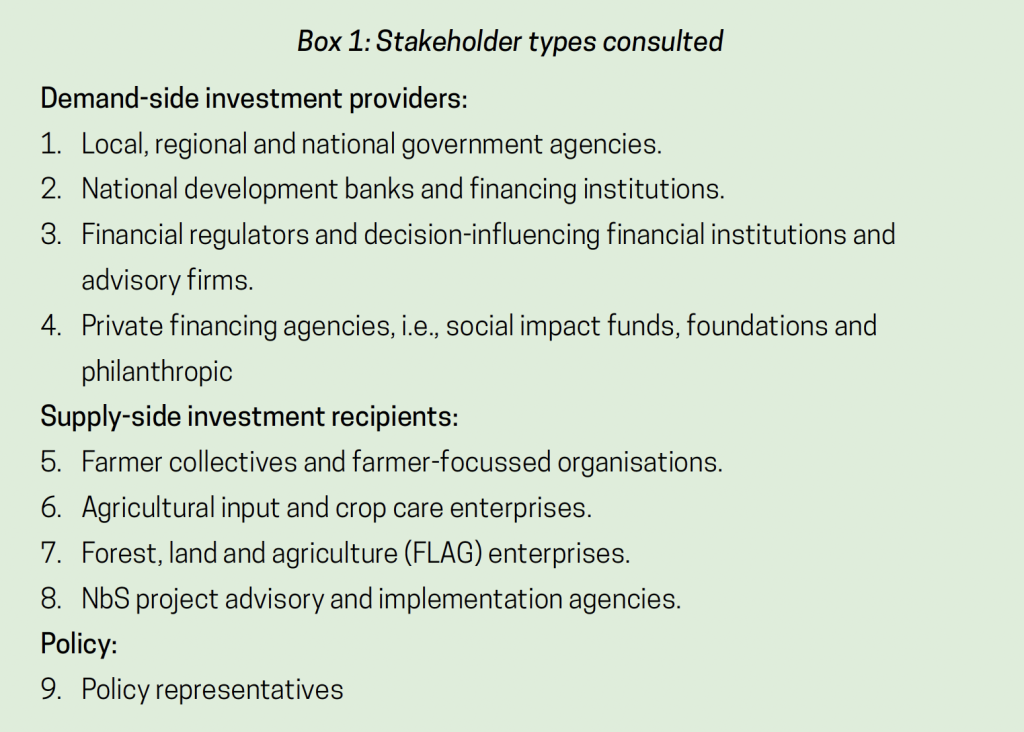
In this context, the report ‘Scoping Investment Potential for Nature-based Solutions in the Indian Agriculture Sector’ produced by FOLU and ATREE is an analysis of the current status of sectoral investments, emerging trends, and barriers. It also attempts to present potential public and private sources of finance that may increase investments into adopting NbS for climate and economic benefits at scale in India. This stakeholders’ perspective analysis emerges out of the broader work of FOLU India, known as the ‘Nature-based Solutions for Climate Mitigation and Adaptation’ (NCMA) initiative. Here is a summary of highlights from the report that is based on conversations with stakeholders from demand-side investment providers, supply-side investment recipients as well as policy intermediaries in India. Below is a list of the category of stakeholders consulted towards the preparation of this report.
On the topic of current perspectives and challenges in scaling investments into NbS in India, all stakeholders agreed that as climate change increasingly causes economic and ecological disruptions to the agricultural sector, transitioning to NbS appears as a rational choice bolstered by a solid business case. However, they also felt that government policies for agriculture are too fluid to consider a long-term transition to adoption practices. This is further compounded by the lack of clear and strong guidelines to support NbS investments by private sector.
A snapshot of the key remarks made mentioned by stakeholder types on current challenges and future prospects for investments is presented below.
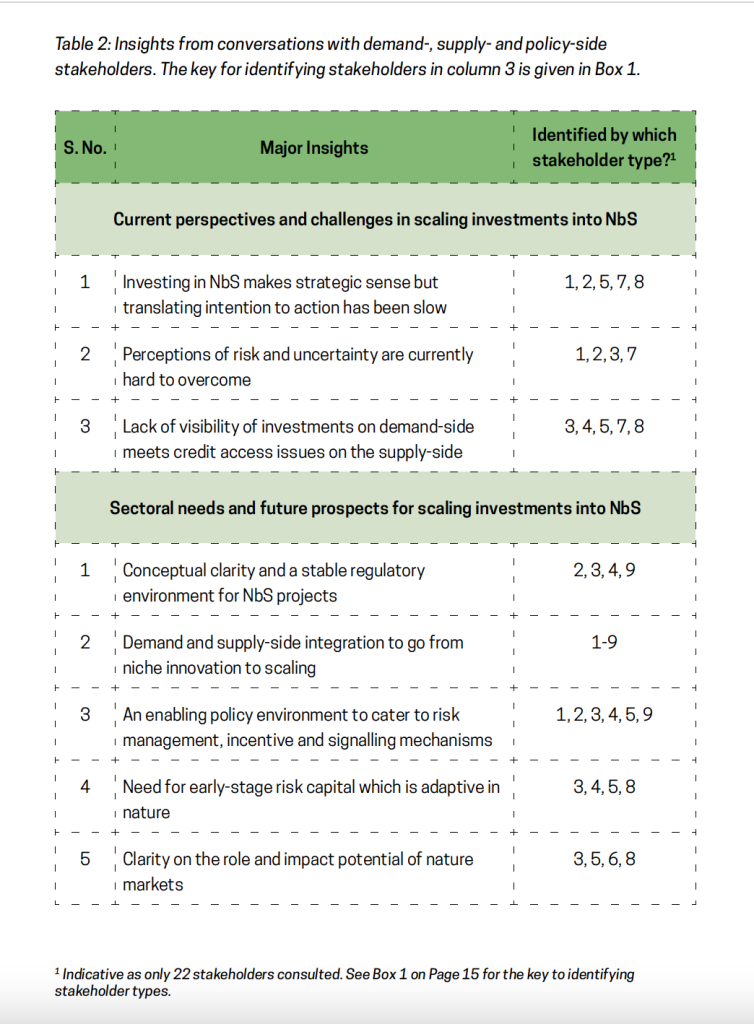
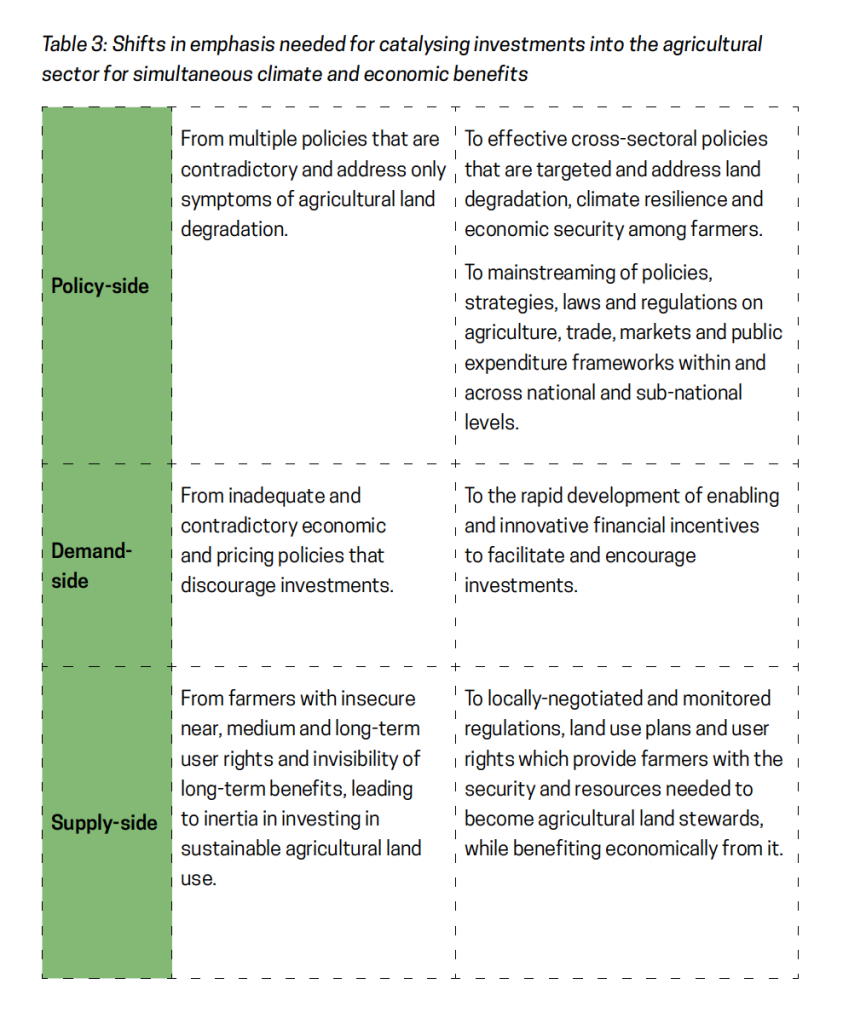
Corresponding to the insights shared above, the responding stakeholders suggested the following shifts in approaches within policy, demand and supply side of investments. Effective cross-sectoral policies, mainstreamed policies on trade, public expenditure frameworks, and secure user rights for farmers were some of the shifts described by the stakeholders.
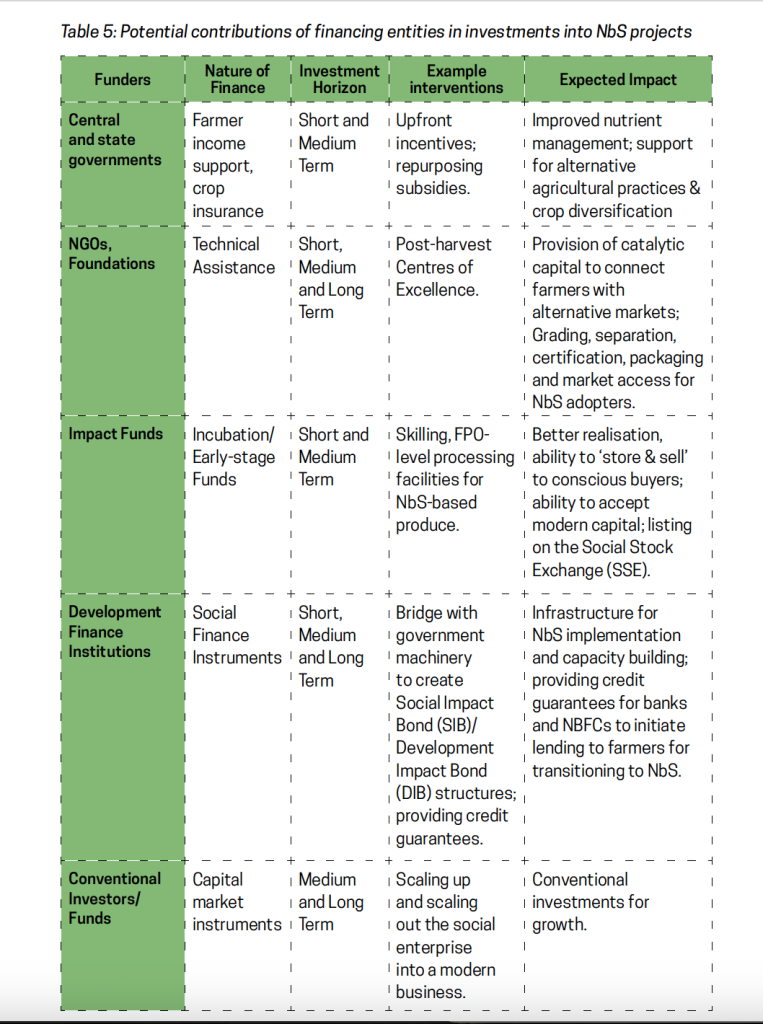
Based on the consultations, the report suggests that sustaining nature-based solutions across various landscapes over time requires a mix of capital instruments. While the government can provide the first push needed in this direction, other finance-related stakeholders can also provide various types of capital support for short, medium or long terms for specific interventions. The types of funders include governments, NGOs, impact funds, development finance institutions, and conventional investors. The chart below unpacks the proposed investment strategy for scaling nature-based solutions in India on a broad level.
It is important that the investment strategy for NbS is adapted as per the natural endowments as well as the socio-economic and political contexts of a region in which it is meant to operate. A key focus of this will need to be the interests of the smallholder farmers who are most vulnerable to climate risks. Relevant data on finance flows meant for these smallholder farmers, is presently lacking. That, along with stakeholder consultations and incentives to channelise private sector investments towards them will form an effective way of ensuring an inclusive approach while promoting NbS in India.
Excerpts drawn from the report ‘Scoping Investment Potential for Nature-based Solutions in the Indian Agriculture Sector’. Read the full report.
Know more about efforts in India towards supporting whole food systems transition.
Food Systems Summit 2024: Marketplace of Ideas was held as an in-person event from 15th to 17th October at India International Centre, New Delhi. The Summit aimed at encouraging exchange of ideas and collaboration among all actors and stakeholders, especially the civil society organisations, of the food systems sector. Organised as a series of presentations across four themes over three days, the Summit was interspersed with high-level plenary sessions on cross-cutting sectoral issues that ranged from unlocking financing to ensuring gender inclusivity.
The four key thematic pavillions were as follows:
Supporting sustainable agriculture production
• Facilitating rainfed area management
• Improving nutritional outcomes
• Driving sustainable food distribution systems and consumption behaviour
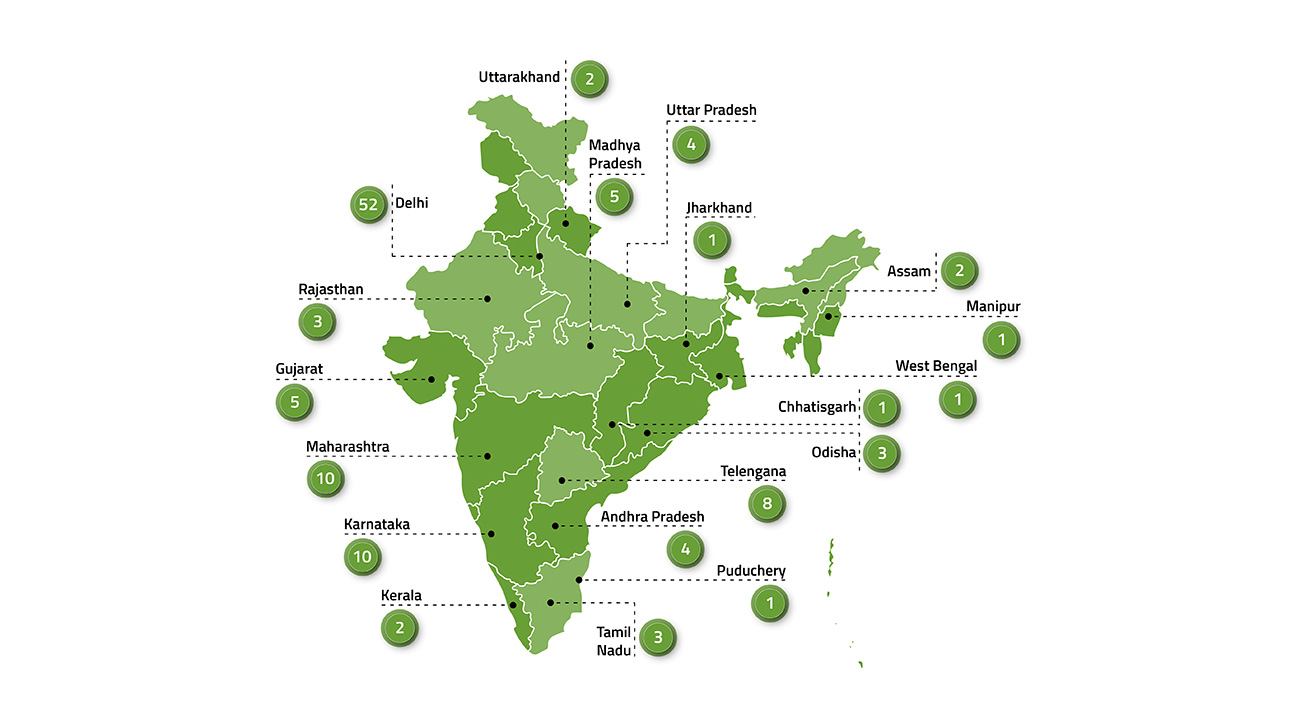
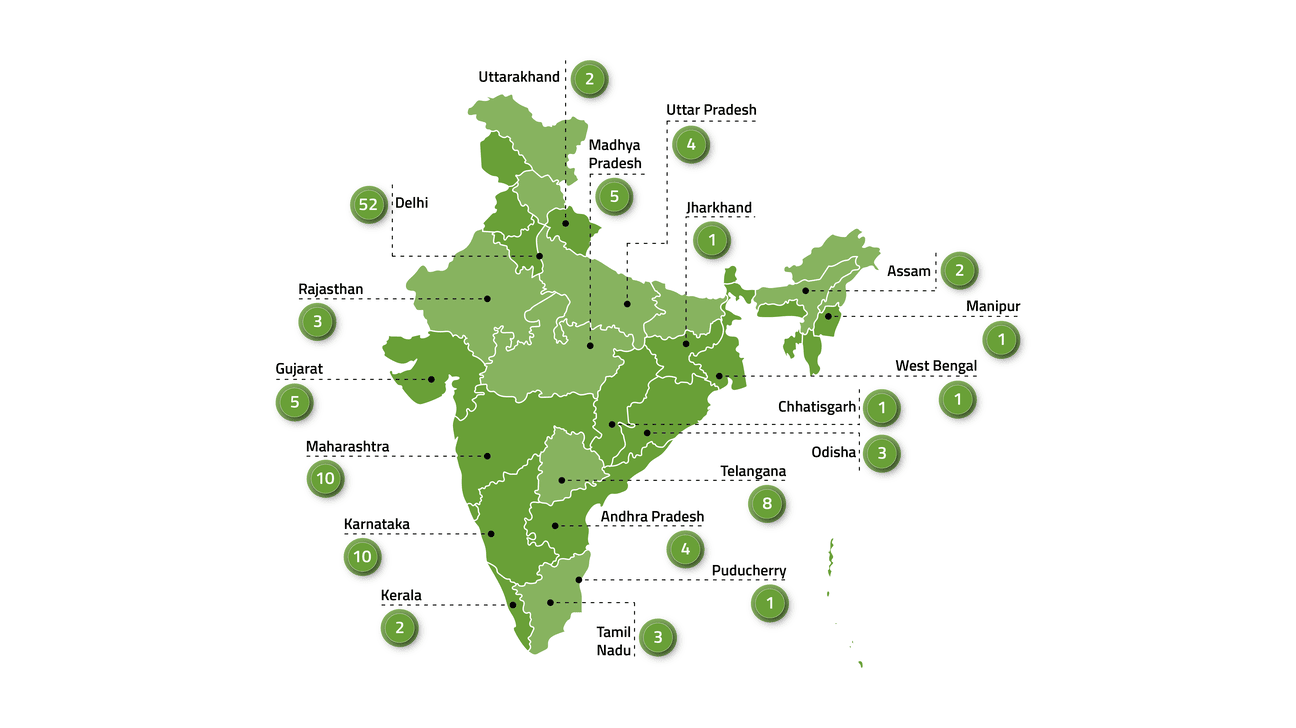
The first edition of the Food Systems Summit aimed at encouraging experience exchange from across the length and breadth of India. In view of this, more than 50% of the states – about 19 of them – were represented at the Summit. Delegates also participated from other countries, including online and in-person representation, bringing in international perspectives to the food systems discussion. Below is a snapshot.
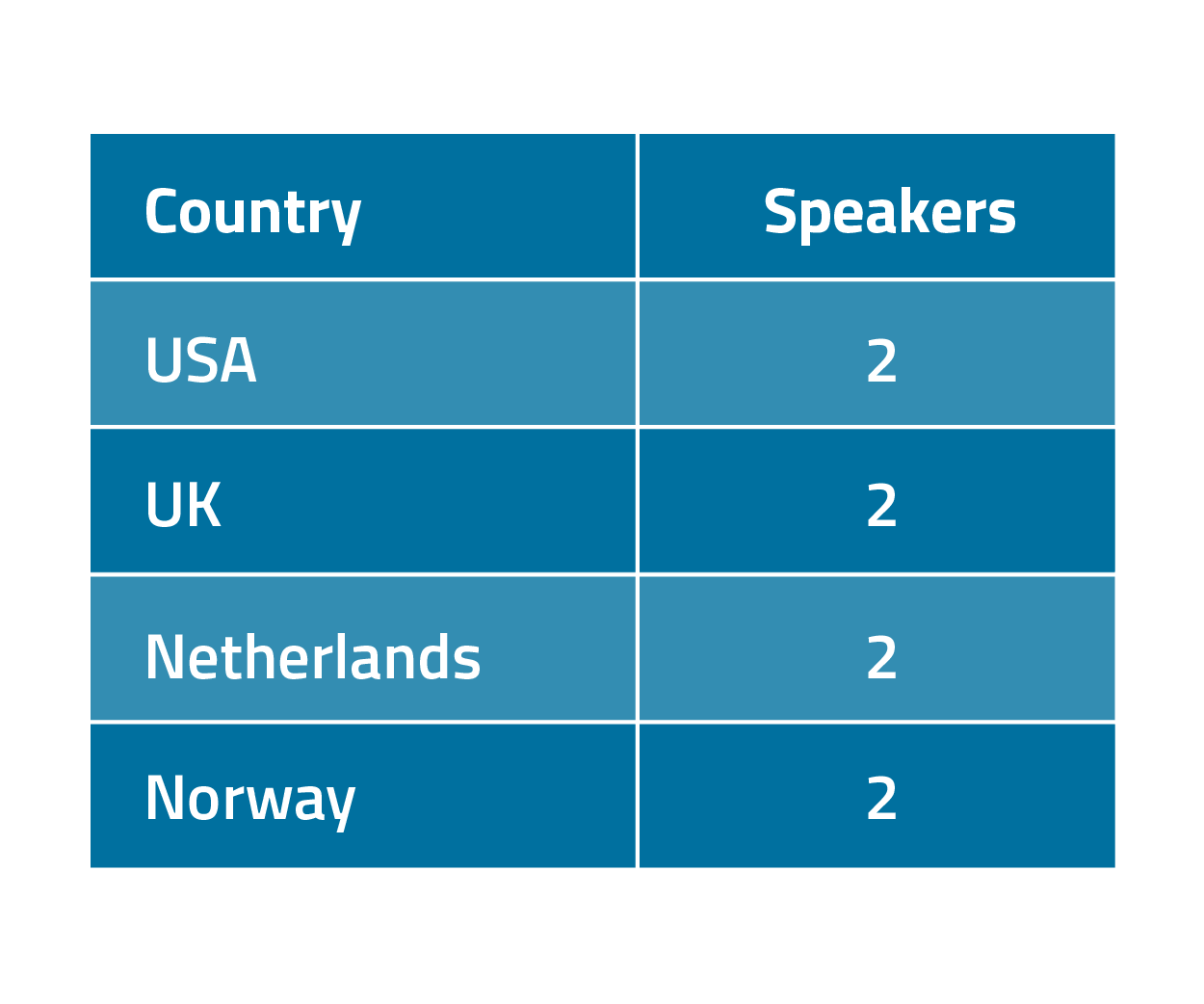
Here is a glance at the total number of participants under various categories at the Summit.
Number of presenters – 81
Number of overview speakers – 23
Number of plenary speakers and moderators – 19
Total number of attendees – 126
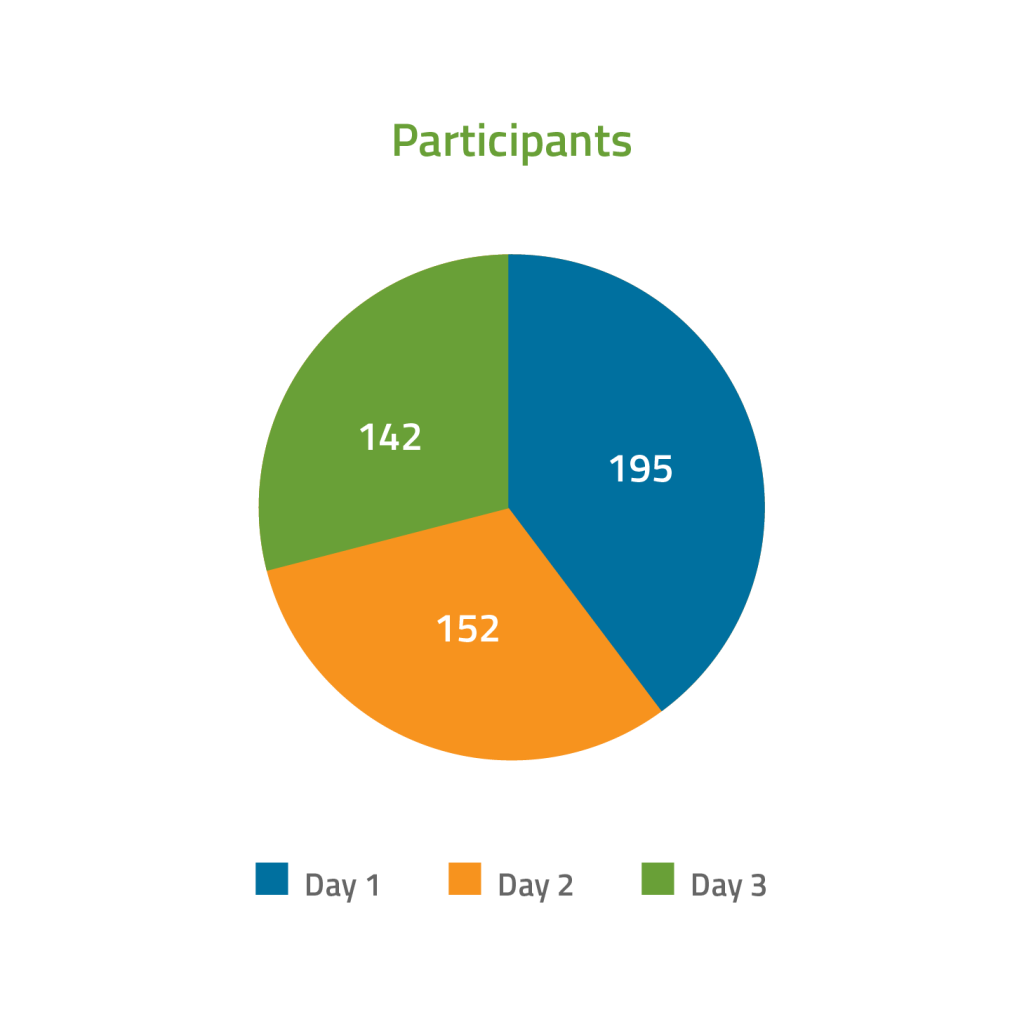
This is a day-by-day presentation of the participants.
Number of thematic sessions – 23
Number of plenary sessions – 7
The Summit had a significant number of female participation, with panel representation by females being higher than male speakers. The image below shows the gender-wise break-up of participants’ profiles.
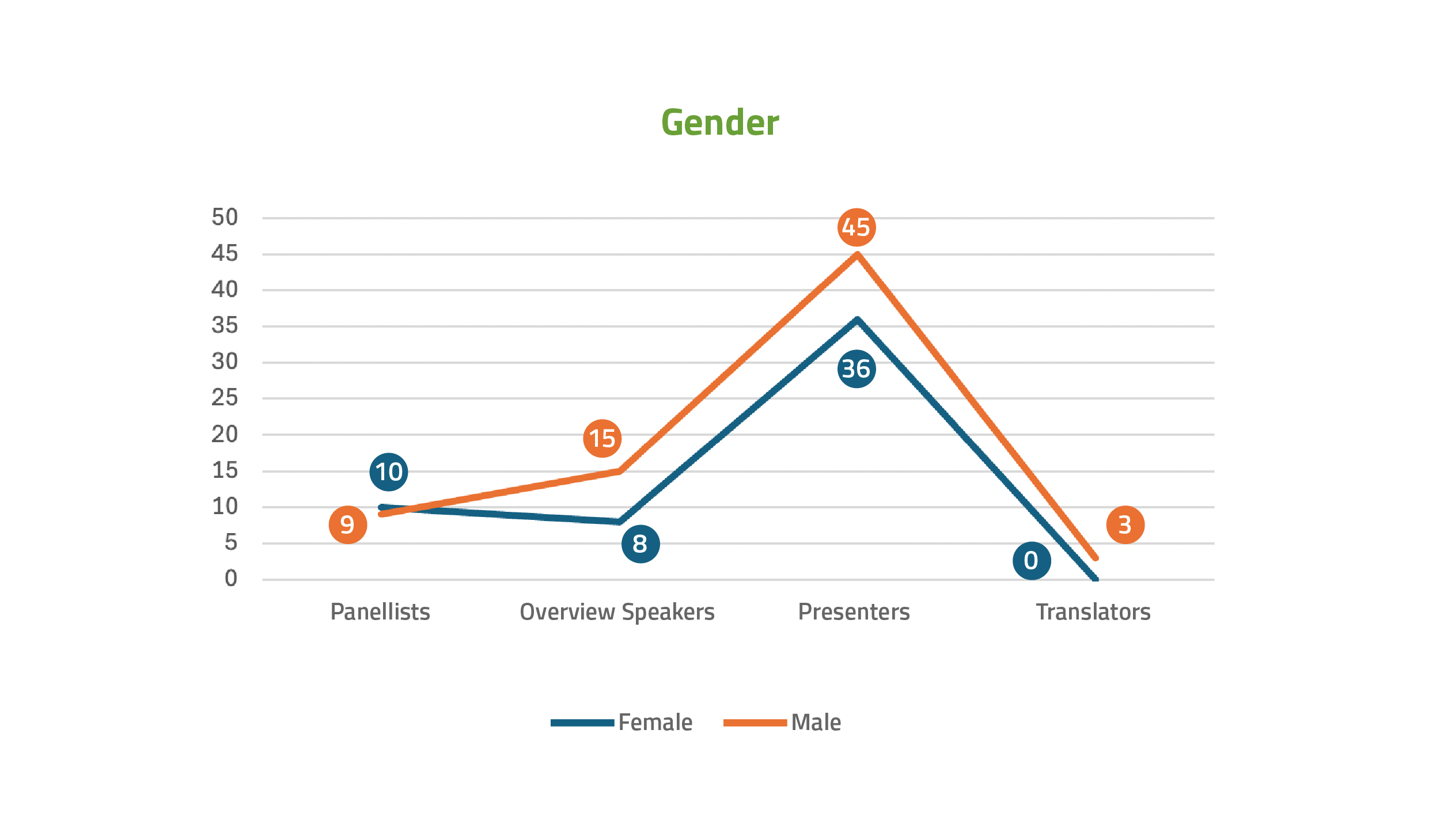
Several key messages and opinions emerged around important aspects of the food systems during the three days of the Food Systems Summit. All of these were curated and shared in the form of textual and audio-visual media with the wider stakeholders through the social media handles of FOLU India

Here is an overview of the Summit’s social media reach in the first few weeks following the event through the LinkedIn and YouTube channels. These include about 50 videos presenting rich ideas and insightful data available for immediate viewing.
There is need to share knowledge and build consensus on common issues related to agriculture, ranging from water resource management to access to agri finance. It is also important to widen the reach of best practices on sustainable agriculture, from its local region to across various landscapes and among all actors, including through platforms like Food Systems Summit.
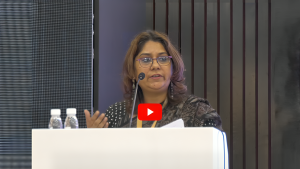
Water being the central theme of rainfed area agriculture, there is need to manage this valuable resource through co-creation of water sources and their management with local communities and governance bodies. To achieve this, it is important to unlock large-scale investment, which has dwindled over the recent years.
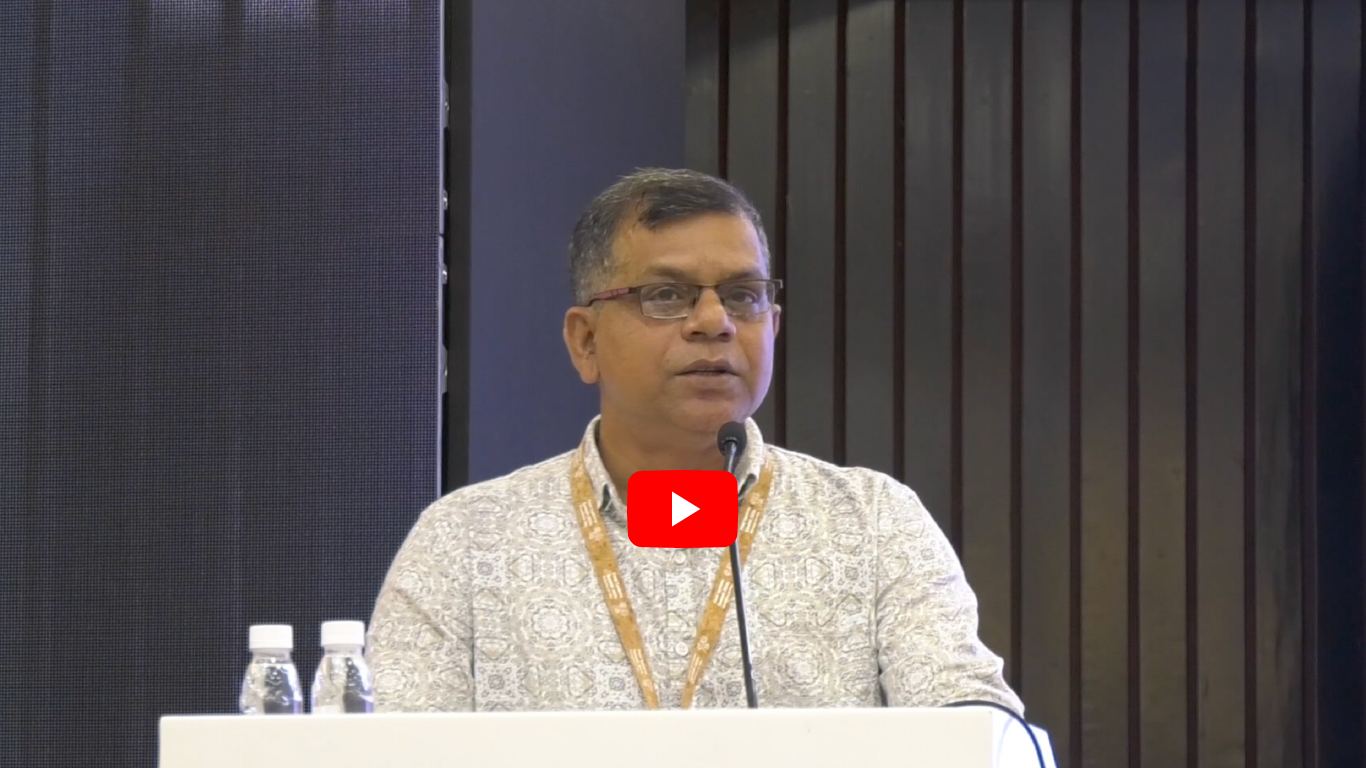
Adopting a lifecourse perspective to nutrition while planning policies around health programmes can enhance nutritional outcomes of individuals and even influence the health status of the future generations. Along with this, it is also important to draw on insights from various indigenous knowledge systems for optimal results.
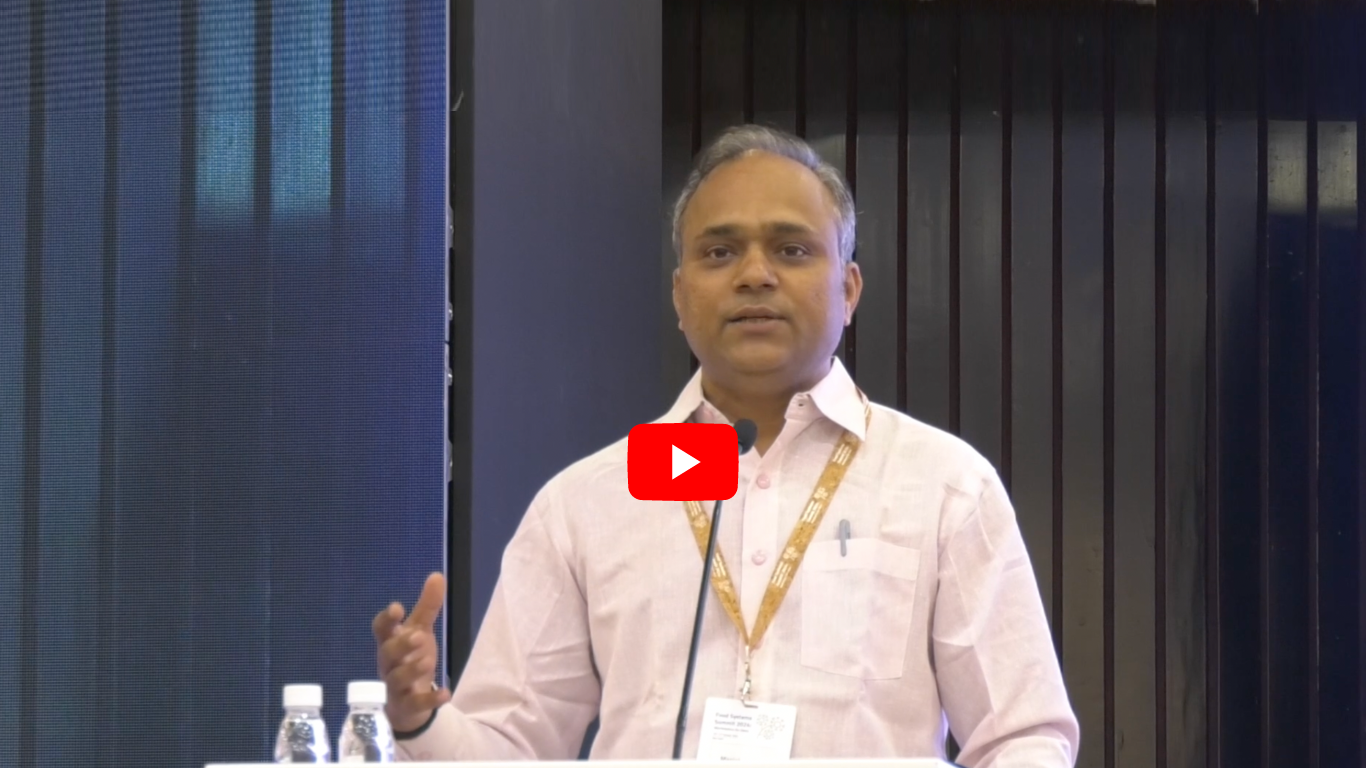
One of the ways to improve the efficacy of public distribution systems is to demarcate the most vulnerable population group and support them with a variety of foods with wide range of micronutrients instead of the limited food group that are currently provided to them.
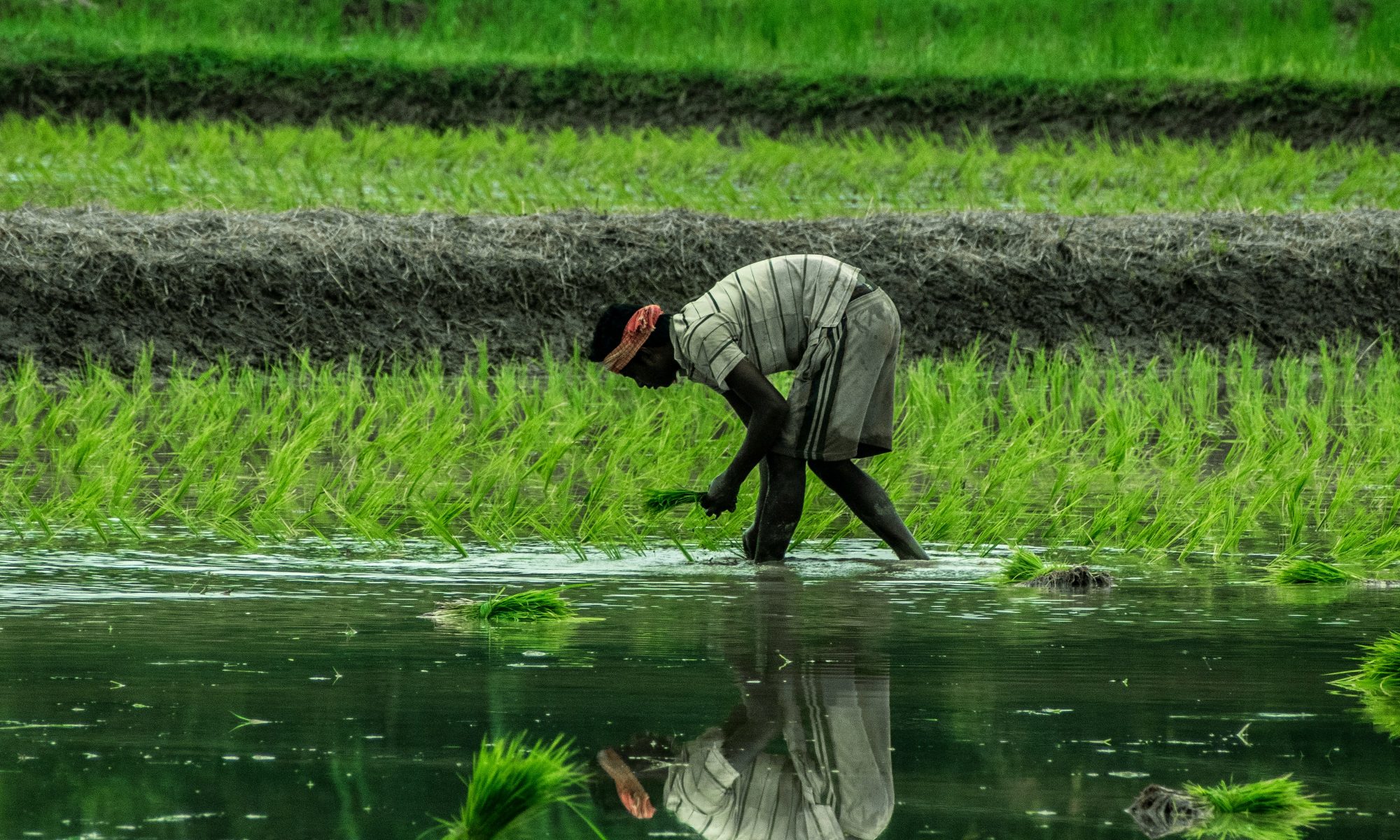
Humanity’s appetite is costing the planet. Globally, the way we produce, transport, distribute, consume and waste food accounts for approximately one-third of annual greenhouse gas emissions, the majority of deforestation and biodiversity loss, and 70% of freshwater withdrawals. With the need to reduce agricultural emissions by 30% in the next six years to keep global warming within safe limits, transforming food systems from carbon source to carbon sink is critical. Recent analysis from the Food and Land Use Coalition highlights that agrifood companies have a pivotal role to play and could mitigate nearly half of global food systems emissions by 2030 by adopting ambitious strategies to implement climate and nature solutions in their supply chains.
Several voluntary frameworks have been developed recently to help private companies integrate environmental considerations into their business strategies and plans. Some of the leading voluntary frameworks focusing on climate mitigation for the food and agriculture sector are: i) the Task Force on Climate-related Financial Disclosures (TCFD); ii) the Science Based Targets Initiatives’ (SBTi) Forest, Land, and Agriculture (FLAG) Sector Guidance, published in 2022; and iii) the Greenhouse Gas (GHG) Protocol draft ‘Land Sector and Removals Guidance’, first published in 2022 and due for completion in 2024.
Recognizing the private sector’s role in the climate puzzle, governments are increasingly using these frameworks as the basis of new sustainability legislation. Recent regulation such as the EU’s Directive on Corporate Sustainability Due Diligence (CSDD) is pushing companies to identify and disclose their emissions sources and engage more directly with farmers to improve the traceability of commodities in their supply chains.
The global increase in mandatory climate and nature frameworks demanding greater levels of supply chain transparency, reporting and disclosure will no doubt have an impact on India’s agricultural landscape. For decades now, India’s forests have not suffered at the hands of agricultural expansion; on the contrary, agricultural areas are shrinking and forest cover is increasing. This would suggest that India is well-placed to export commodities to sustainable markets that have clear requirements on issues such as deforestation. However, to harness this opportunity, business firms that are exporting Indian agricultural commodities will have to invest in strengthening the traceability of their products and scaling sustainable and inclusive production. Such a shift in their business strategies will be rewarding for their bottom line and, as such, should be part of their normal business expansion plans. Through this, India can meet the international demand for sustainably produced commodities while also supporting the country’s ambition to hit agriculture commodity export to $100 billion by 2030.
However, as it stands, India’s relationship with the international agricultural commodities market is constrained by a number of factors, including national trade policy. Despite increasing overall, growth in Indian agri-commodity exports slowed over the last two years. A primary reason for this is the government’s export regulation policy that aims to keep domestic inflation as low as possible. Without concerted planning, this downward trend will likely continue when the demand for Indian commodities increases in EU, UK, and US markets. This will limit business opportunities for Indian agri-commodity exporters, and result in a missed opportunity for farmers to shift to more resource-efficient and sustainable agriculture while gaining from increasing international market demands. Denying farmers such opportunities will likely lead to unrest and raise demands for a higher increase in agricultural incentives.
By collaborating and fostering relationships across the value chain, there is a unique opportunity for businesses, farmers and policymakers to position India at the forefront of a sustainable agricultural transformation. Investment from the private sector can contribute to the Indian government’s long-standing ambition to “double farmers’ income”, in part through increased exports. However, strategic and visionary planning is required to capitalize on this situation and avoid unrest, unlocking a win-win scenario for the economy, farmers, general public, and private sector. Diversifying agriculture, increasing productivity, adopting geo-spatial technology-assisted planning for ensuring critical masses of production of selected commodities to feed to the international supply chains, and strengthening relationships between FPOs and the private sector are some of the many ways to address the situation. What is most important is a clear long-term plan with a vision that is developed jointly by farmers, the private sector, and national and sub-national governments. Without such a concerted exercise, the Indian agri-commodity market will be looking at a critical missed opportunity.
Authors: K M Jayahari, Country Coordinator, FOLU India; and Alex Andreoli, Associate
As published in Hindu Business Line, 12th May 2024 – Also read here
The zones can be seen as a low-hanging fruit with clear benefits for farmers too.
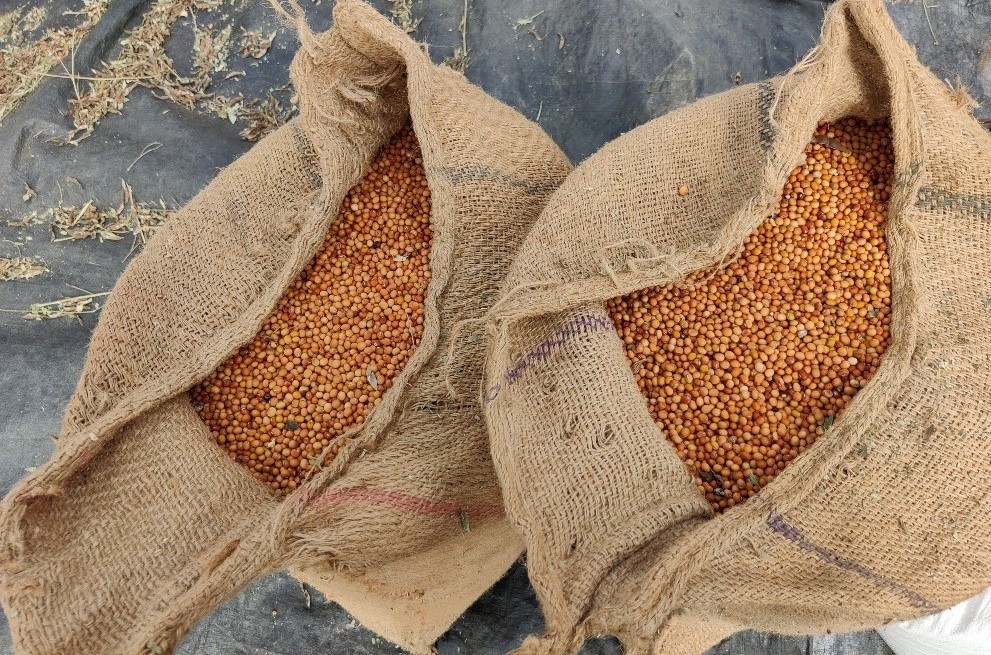
Recent regulations such as the EU’s Directive on Corporate Sustainability Due Diligence (CSDD) require companies to identify and disclose their emissions sources and engage more directly with farmers to improve the traceability of commodities in their supply chains. The global increase in mandatory climate and nature frameworks demanding greater levels of supply chain transparency, reporting and disclosure will no doubt have an impact on India’s agricultural landscape.
For decades now India’s forests have not suffered at the cost of agricultural expansion; on the contrary, agricultural areas are shrinking and forest cover is increasing, albeit without direct linkage. This suggests that India is well-placed to export commodities to markets that have clear policies on issues such as deforestation.
For better climate adaptation
To leverage this opportunity, business firms exporting agriculture commodities from India must invest in strengthening the infrastructure to enable better source tracing of their products and supporting sustainable and inclusive production. An analysis carried out by the Food and Land Use Coalition identifies six major land-based interventions that would result in better climate adaptation, and an increase in farmers’ benefits in which the private sector should invest as part of making their sourcing more sustainable. These interventions bear both mitigation and adaptation benefits. This shift in the business strategies will be certainly rewarding for their bottom line and so should be part of their normal business expansion plans.
Further, India aims to hit agriculture commodity exports to $100 billion by 2030. This ambition is set when there is already a slight reduction in the growth rate of agri-exports in FY 2023-24, mainly due to the continuous ban on rice and wheat exports. This illustrates the fact that Indian export policies are still oriented around managing food-linked inflation rather than increasing the export revenue or ensuring that farmers are benefiting from the international market trends. This makes India an unreliable food supplier to the international market.
In this context, can Special Agricultural Economic Zones (SAEZ) become one of the solutions? Affordable investment in technology creation, implementing infrastructure solutions for documenting the sourcing, and financial solutions that make production more remunerative for the farmers, will ultimately provide a win-win situation for all stakeholders. Compared to managing the agricultural export policy environment which is one of the hurdles in the private sector investing in ESG frameworks, SAEZs can be seen as a low-hanging fruit with clear benefits for the farmers too.
Look at PMKSY
These zones can be exclusive areas where the private sector can invest towards sustainable and regenerative agricultural production, targeting the international market, with a policy assurance to exclude the production in these areas from any export-related prohibitory mechanisms by the government. Many of the 112 aspirational districts would qualify for such SAEZs – where the newly revived agricultural economy can help to improve livelihoods, reduce migration, and support the overall sustainable development of the area. With an intent to optimise existing schemes towards the success of novel initiatives, one can look at the Pradhan Mantri Kisan Sampada Yojana (PMKSY). This umbrella scheme encompasses various facets of food production and processing, including creation of forward and backward linkages, and food safety and quality, that may be integrated with SAEZs operational policies. Another approach can be to consider the existing 60 Agri Export Zones under APEDA, which currently cover 40 agri commodities. For the willing, experiences lie across international borders that may be borrowed – in countries like Malaysia similar special zones are being promoted under the National Agrofood Policy.
While operationalising SAEZs requires formalising special norms and regulations with a focus on exemptions from taxes and export related regulatory mechanisms, most importantly, it will provide the stability that India needs to be seen as a reliable exporter internationally. At the same time, they can contribute to the Indian government’s long-standing ambition to ‘double farmers’ income’.
Author: K M Jayahari, Food and Land Use Coalition India Country Coordinator
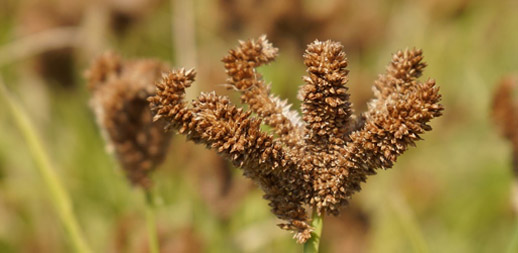
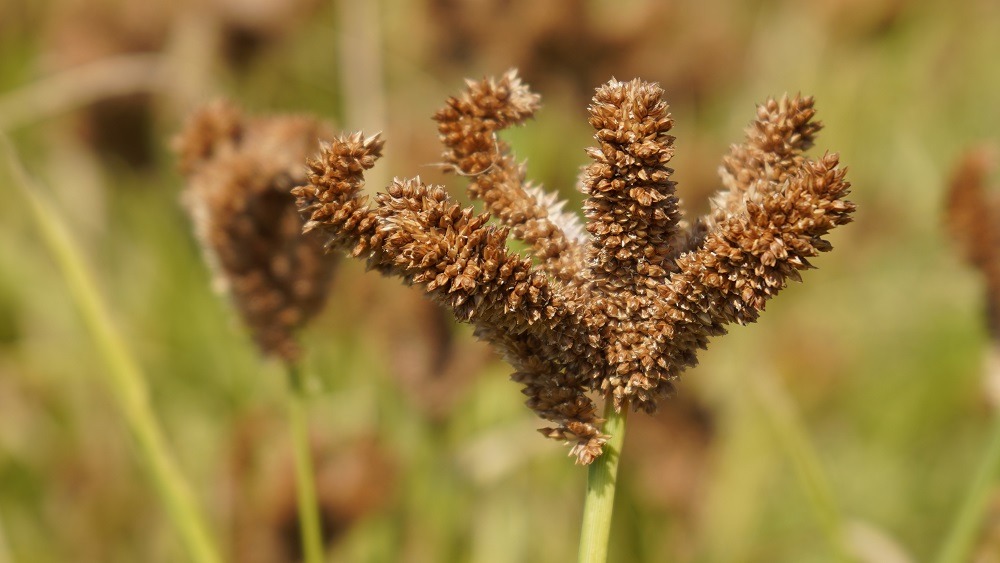
Sweeping narratives that provide an umbrella explanation for complex phenomena are always appealing, and farming and food in India offer a rich canvas for such tales. For decades, mainstream narratives framed the Green Revolution as the ‘saviour’ of Indian agriculture, transforming ‘underdeveloped’ farming methods through the introduction of ‘miracle seeds’ and modern technologies. The reality was far more nuanced. Post-independence policies, such as land reforms and increased investments in agriculture, contributed to rural development. They set the stage for the Green Revolution, whose benefits and adverse impacts varied greatly across geographies and communities. Decades later, millets are headlining a similar narrative, and enjoying a resurgence as superfoods that can fix multiple problems, from malnutrition and rural poverty to the climate crisis and biodiversity loss. They are being promoted as ‘sattvic’ foods and tools for women’s empowerment. But are these claims true?
This article aims to offer a more nuanced take, balancing these statements with humbler tales that depict the daily challenges and experiences of people who cultivated and ate millets. These tales describe what millets meant to these communities, why they transitioned away from them, and whether they can benefit from the millet revival.
 Tales of scarcity and resilience
In their village on the banks of the Sarayan river in central Uttar Pradesh (UP), North India, an elderly woman and her husband had conserved a unique variety of kodo (kodo millet, or Paspalum Scrobiculatum). They continued cultivating and harvesting this grain, even though other villagers considered them eccentric for following ‘outdated’ practices. I first met her in 2018, when I was accompanying farmer activists on a field visit. She quietly shared kodo millet seeds and rice, which she had hand-pounded herself, with us.
Millets, the resilient grains that had nearly vanished before being rediscovered, are inextricably linked to marginalized communities and forgotten traditions. They represent the ancient farming practices that were swept out of view by the Green Revolution. They also shine a mirror to the toil, tedium and oppression of the times when peasant communities were unable to exercise their rights.
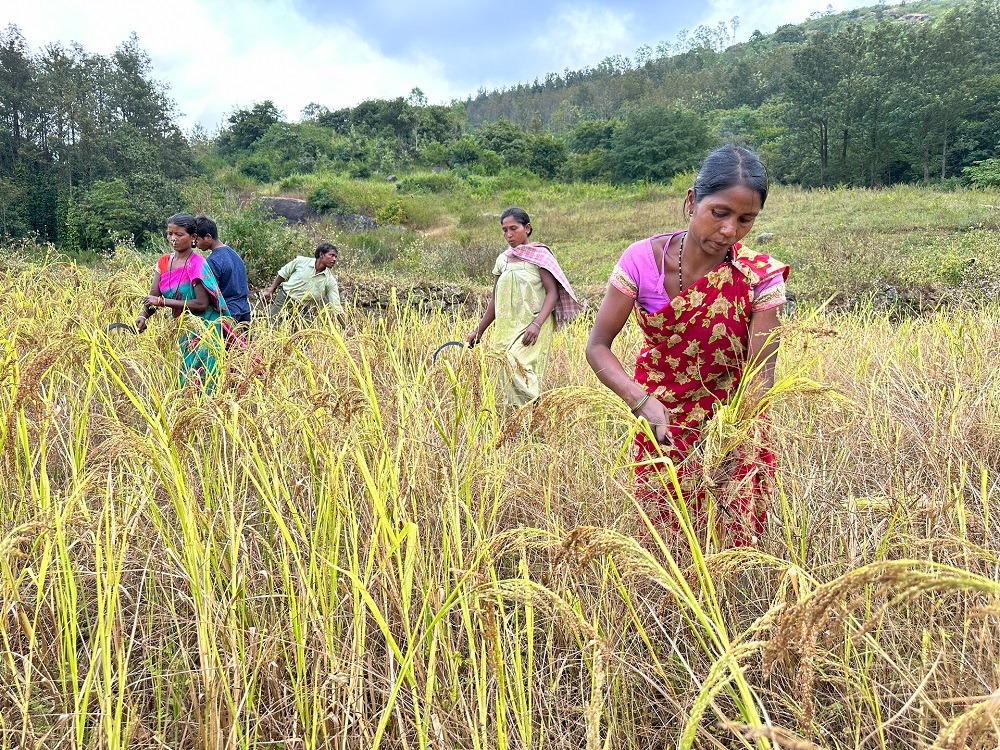

 About 2,000 km south of Shyamkishori, Dalit women in southern Karnataka share stories of their hard labour in the fields. Kadiramma described getting ragi mudde (balls of cooked finger millet flour) at the end of the workday. Ragi was their mainstay; they even picked out fallen grains from the fields after the harvest. After painstakingly cleaning the gleaned ragi, they had to give half of it back to the landlords. The pain and anger of those times were still carried in their voices more than 30 years on. “We worked from morning till night, and we women did the same heavy work in the fields as the men, but we were paid just enough to survive.”
Staving off hunger was a constant challenge for peasants and labourers from Dalit-Bahujan-Adivasi (DBA) communities, or the lower castes, who represented the oppressed at the bottom of rural hierarchies. The women of these communities learned to be extra-resourceful to feed their families. Alongside men, they cultivated multiple crops, including several types of millets, on their sandy, rocky and often undulating lands. These were the landscapes they had access to, as the fertile tracts were controlled by farmers from powerful castes. The produce from these fields was not sufficient to meet their needs.
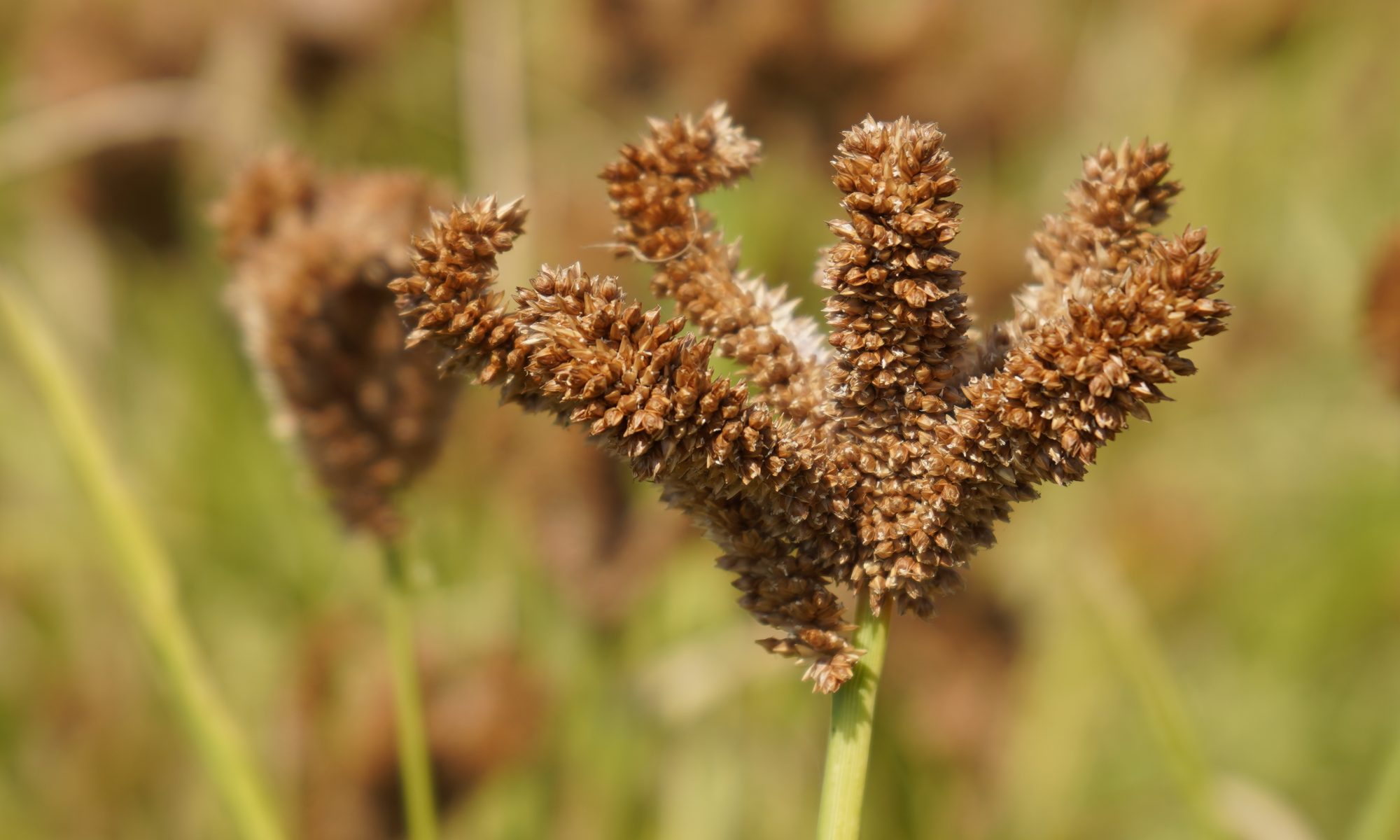
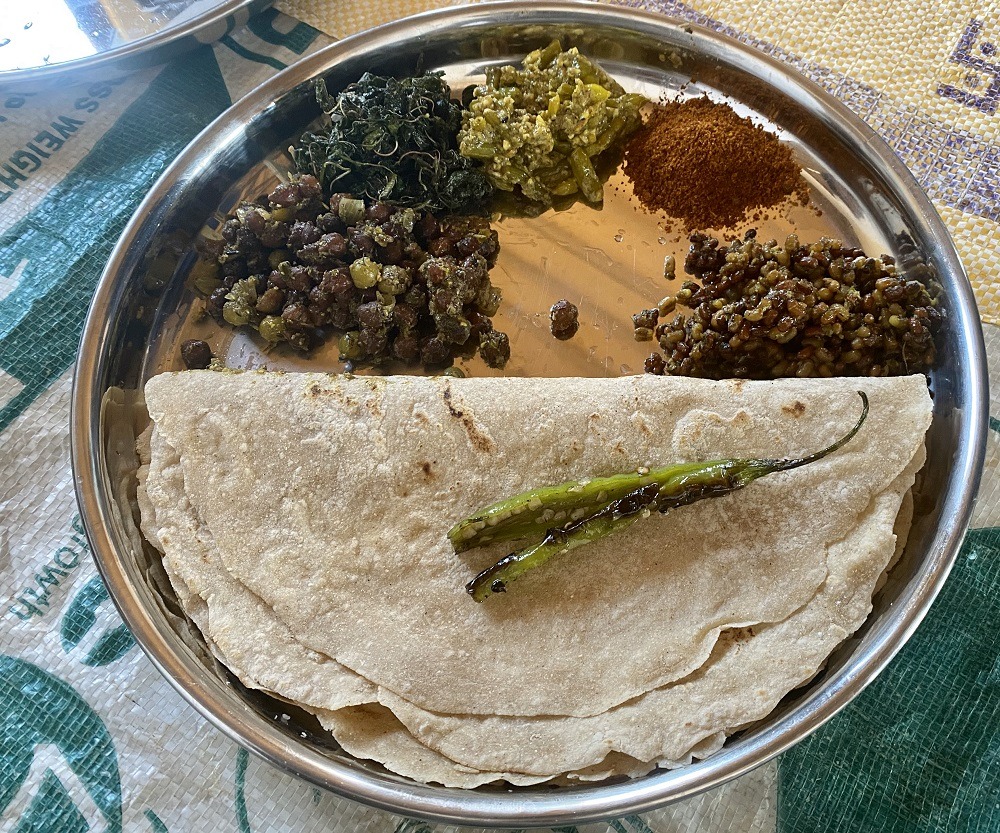
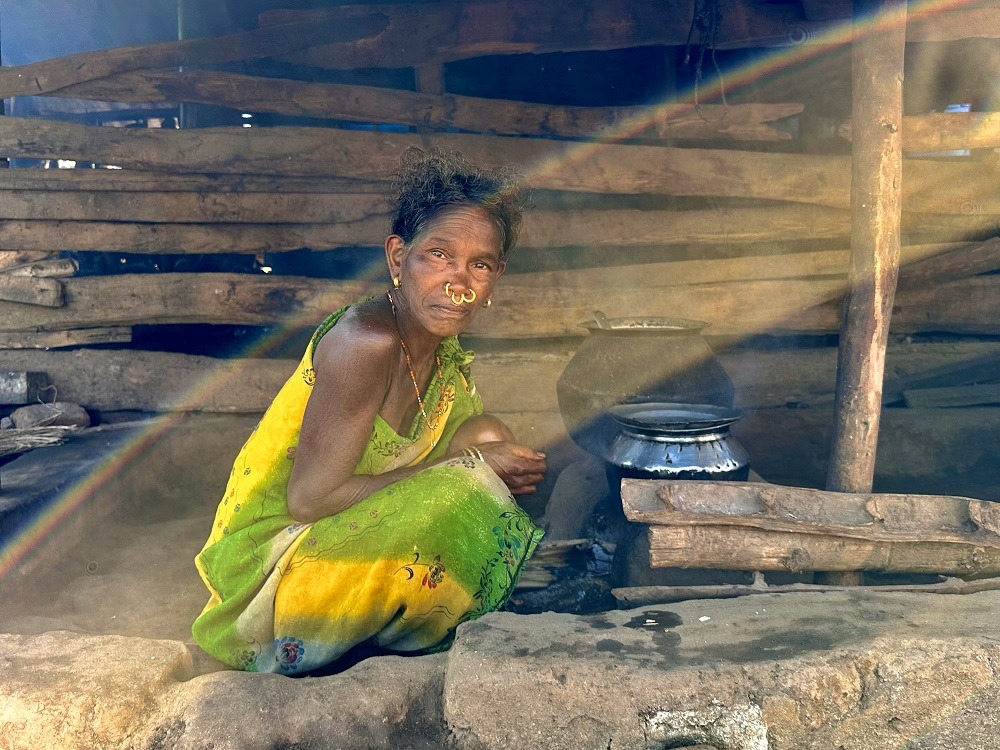 DBA communities had knowledge of local ecosystems that allowed them to identify edible plants and animals, which they used in unique recipes that are rare to find in popular cookbooks. They also adapted and innovated. While rich and middle-income families roasted chana (Bengal gram) and jau (barley) to make sattu (malt) in the Gangetic plains, poorer families roasted cheaper grains. Today, nutritious foods like browntop millet are attractive to urban consumers, but in the past, they were foraged by DBA communities to stave off hunger.
Despite their resourcefulness, these communities often ran out of food grains in the lean seasons and had to go hungry or borrow money at usurious rates. This would leave them in a debt trap, whereby they would have to forfeit their harvest or work as bonded labourers in the lender’s fields to pay off their loans. Sadly, this state of affairs persists in some regions even today.
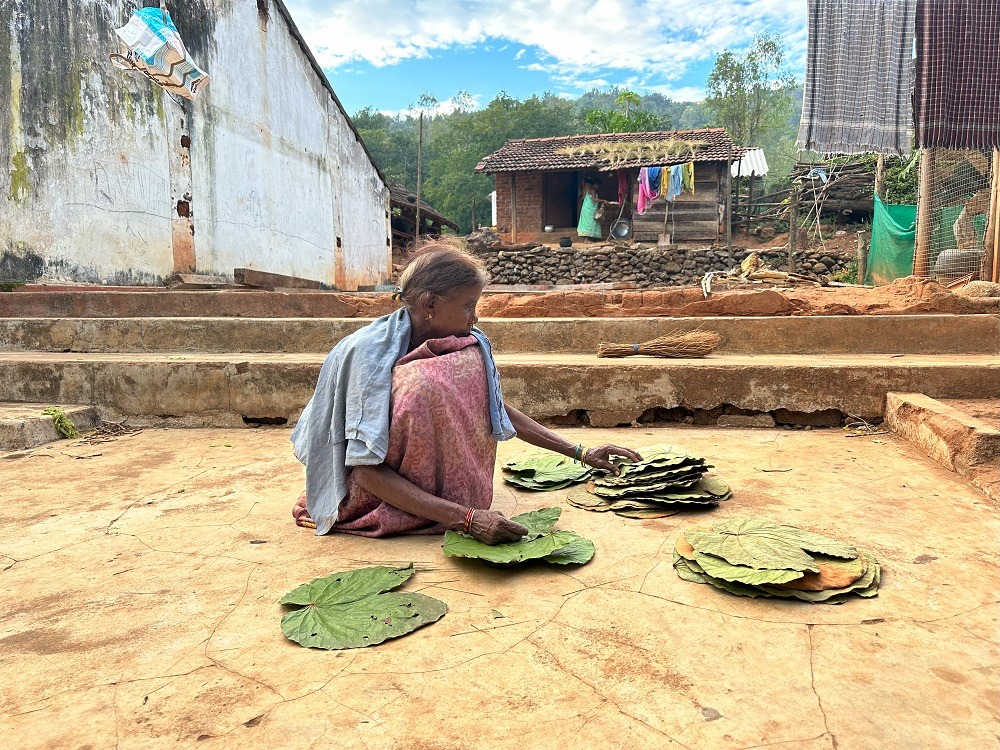 Tales of transformation and aspirations
“We hulled and cleaned the paddy rice from the big farmers’ fields. But rice was for them, not for us,” remembered Venkatamma, in southern Karnataka. “I loved the sweet taste of rice. The ladies of the house monitored us closely to ensure that we did not make off with any, but I would pop some into my mouth when they weren’t looking. Sometimes, they gave us some rave (grits) to take home. How tasty our meals were in those days!”
Multiple routes contributed to improvements in the lives of DBA communities. Some received land titles in the 1970s and 1980s during the government’s poverty elimination campaign, while others gained land due to campaigns organized by Dalit, Adivasi, or Left-allied groups. Increased mobility led to migration and higher wages, which also drove up wages back home. People’s Movements campaigned for access to housing, education, nutrition and food security and livelihoods for marginalized communities, and successful campaigns led to improved quality of life.
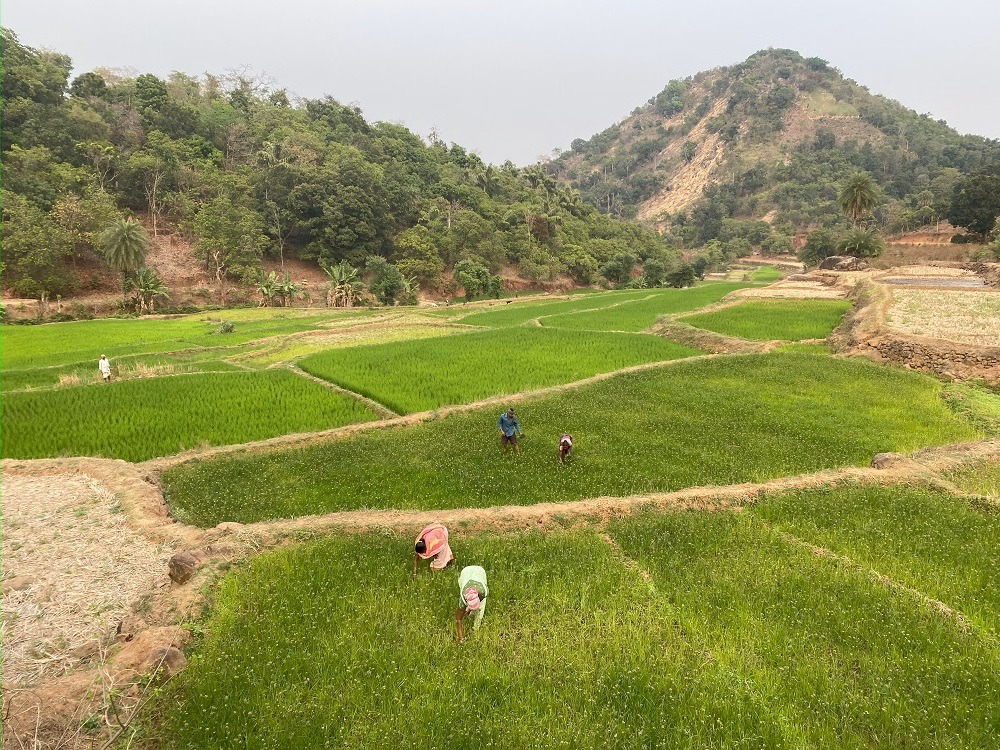 As incomes rose, DBA households could now afford the foods of the rich—wheat and rice. The grains that they aspired to, which were only consumed on festivals and special occasions, were now accessible due to the Green Revolution. With the expansion of the Public Distribution System (PDS), wheat and rice were supplied at subsidized rates or even free of charge, resulting in a sharp drop in the consumption of millets from the 1970s onward. Even pulses were abandoned. These were cultivated alongside millets, but there was little place for them in the monocropped rice paddies and wheat fields. The diverse diets of DBA communities shrank to rice- and wheat-heavy meals deficient in protein and micronutrients. However, they could now eat to their hearts’ content and weren’t left hungry.
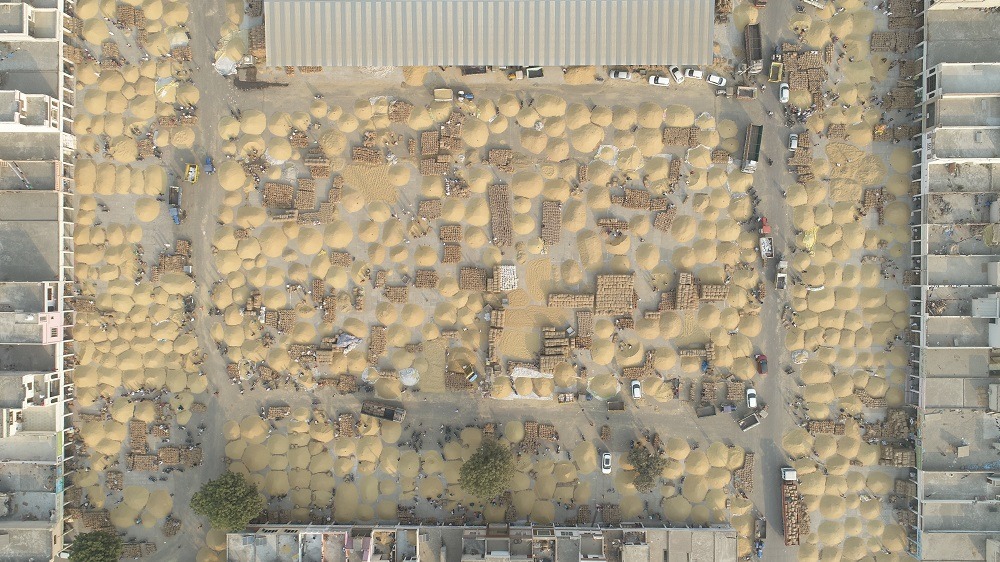
Grain processing was another critical factor in shifting communities away from millets. Rice mills had begun to be set up in the late 19th century and, with government support, proliferated in the 1960s and 1970s. Meanwhile, millets, the grains designated as ‘coarse’ even by scientists, were ignored. In the absence of processing technology, these grains were processed mainly by hand until the 1990s and 2000s, when renewed interest led to the development of machines specifically for them. Women describe a range of traditional techniques used to dehusk barnyard, foxtail, little, kodo, and browntop millets, all of which required skill and patience. They welcomed the arrival of processed white rice and atta (wheat flour). However, the new grains were less nutritious than their traditional variants and were further stripped of their bran, which contains fiber and micronutrients. The bran was monetized, with rice bran sold for oil and wheat bran as an additive to fodder. This allowed rice and wheat to be sold at an affordable price, and nutrition loss became a secondary concern to consumers.
Thus, the aspirations of DBA communities, and even more prosperous ones, were met by policy and technology. Millets, associated with an oppressive and laborious past, were abandoned, and their near-disappearance was largely welcomed.
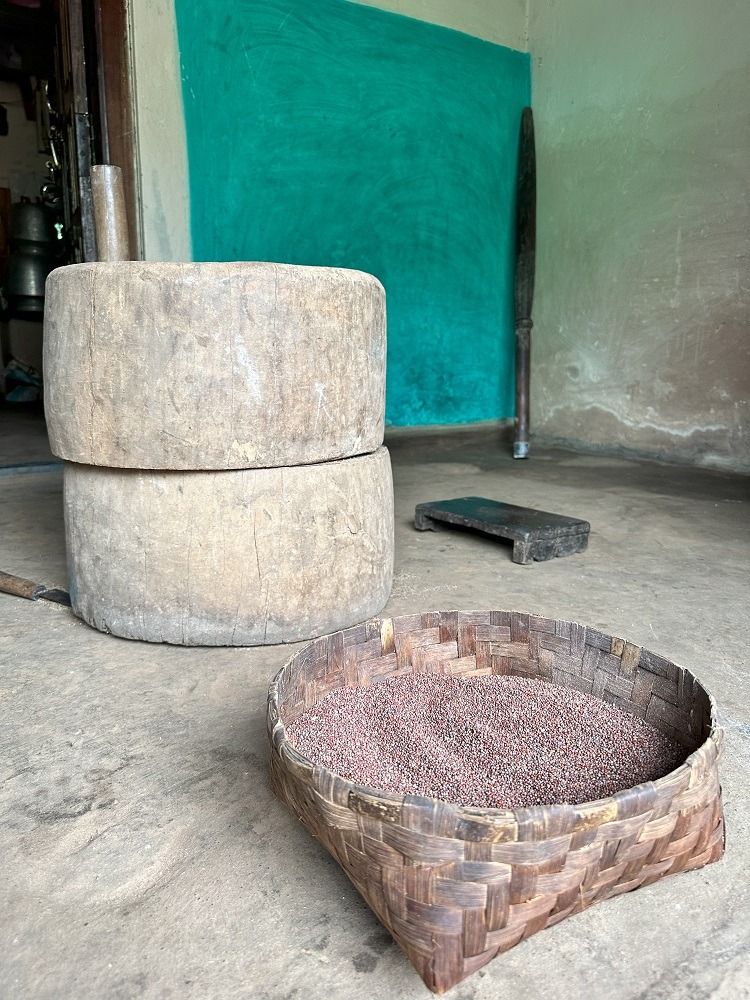
Tales of the millet revival
While most farming communities abandoned millets in the decades following the 1970s, some continued cultivating them, and teaching grassroots organizations and activist how to do so. With these insights, NGOs, activists and a handful of academics spearheaded a revival of millets in several parts of the Deccan (south India) and central India, with communities encouraged to cultivate them for their nutritional and ecological benefits.
However, it is the growing popularity of millets among urban elite consumers that has catapulted them to the spotlight. Several popular YouTube channels extol the benefits of these ‘miracle grains’. Food stores in cities and even small towns now stock millet biscuits, vermicelli, and various types of mixes. These products are more expensive than those made from wheat or rice, but consumers are told that the health benefits justify the price difference. Unfortunately, most of these products are made from processed millets and offer only a slight nutritional advantage.
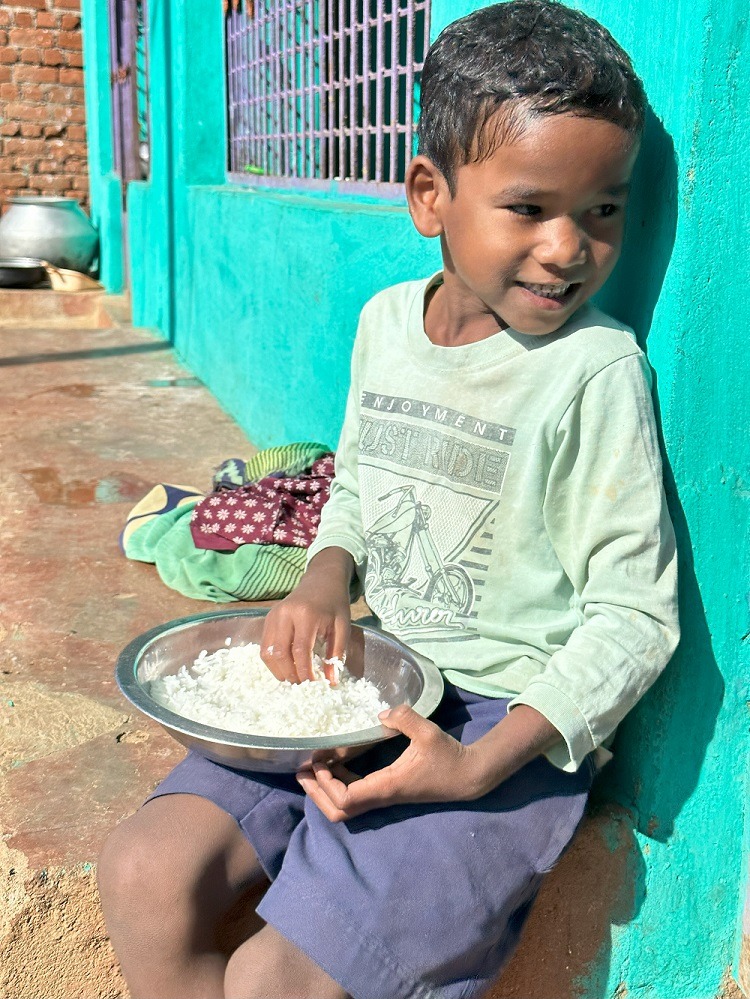 Millets in whole grain form are nutritious, but many of the claims made about them are often exaggerated. For example, many urban consumers and even poor rural families now believe that millets are rich in protein. But just like other cereal grains, millets are not an optimal source of protein. In the past, they were consumed together with protein-rich foods like pulses, meat, buttermilk, oilseeds and fish. Now, millet preparations are often consumed with just vegetables, which does not offer the complete range of nutrients required for a healthy diet. Yet the buzz around millets continues to reverberate, with new government schemes, products and marketing campaigns being launched regularly.
Cautionary tales
Women from DBA communities face the double burden of caste and gender. They carry out most or all of the domestic work in their households in addition to their income-generating activities, which they rarely earn a living wage for. Only a small percentage of women own land. With high levels of migration among men, they are often left to manage the household, livestock and land with little support. Alongside this, they continue to face untouchability practices, even in new structures.
“Whenever our Federation organizes an event, they (dominant caste women) take over the cooking. If you cook, who will eat? That is what they say,” remarked members of a Dalit SHG (Self Help Group).” Until last year, we couldn’t even get a bank loan. All loans went to the other groups.”
SHGs, groups of 15-20 poor women who collectively save and access microcredit, are often cited as the best pathway out of poverty for these women. Through linkages with banks and government programmes, SHG members have accessed loans to buy animals or take up income-generating activities that have enabled them to overcome the barriers to credit they faced as individuals. However, it should be noted that SHGs made up of less poor women (with caste advantages and access to resources) are more likely to succeed in income-generating activities. Most SHGs have instead become a medium to access loans for health, education, and farming-related expenses, and thus fill the gaps left by poorly functioning welfare programmes and insensitive financial institutions.
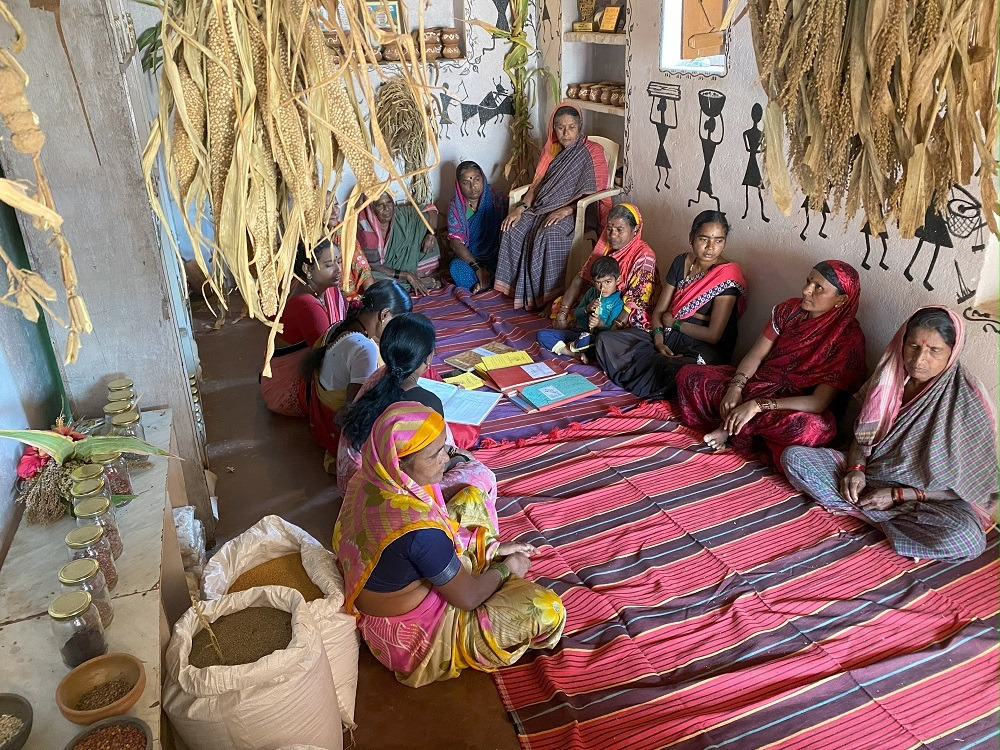 Grassroots organizations have seized the opportunities generated through SHG-bank linkages to set up millet enterprises, and many have focused their efforts on rural women. These enterprises have the potential to provide economic and nutritional benefits and create long-term rural assets. However, many schemes to alleviate poverty and malnutrition have fallen short because they have neglected systemic issues such as caste discrimination and historical inequities. Further, most millet enterprises are focused on the urban market, which is a risky strategy as urban consumers lack the cultural connection with millets of their rural counterparts and can quickly move on to newer fads. The reintroduction of millets into rural diets is a complex process with uncertain results, but it must be taken up to achieve substantial and long-term improvements in diets and incomes.
Conclusion
Traditional millet-cultivating communities, which are overwhelmingly Dalit-Bahujan-Adivasi, have had a long and chequered history with millets. This is reflected in the stories told by women from these communities, which reveal the pleasure, trauma, resilience, and innovation associated with cultivating, processing, cooking and consuming these ancient grains. The current popularity of millets presents a golden opportunity to support these women and help them receive some of the benefits from this resurgence. This support should be all-encompassing and intersectional, enduring and adaptable to local issues and ensuring a sustained and responsive approach. We must use this time, when millets are in the spotlight, to share these hidden stories and build structures that truly promote the empowerment of rural women and men. Only then will we honour the sweat, toil and resilience of Kadiramma, Shyamkishori and their sisters.
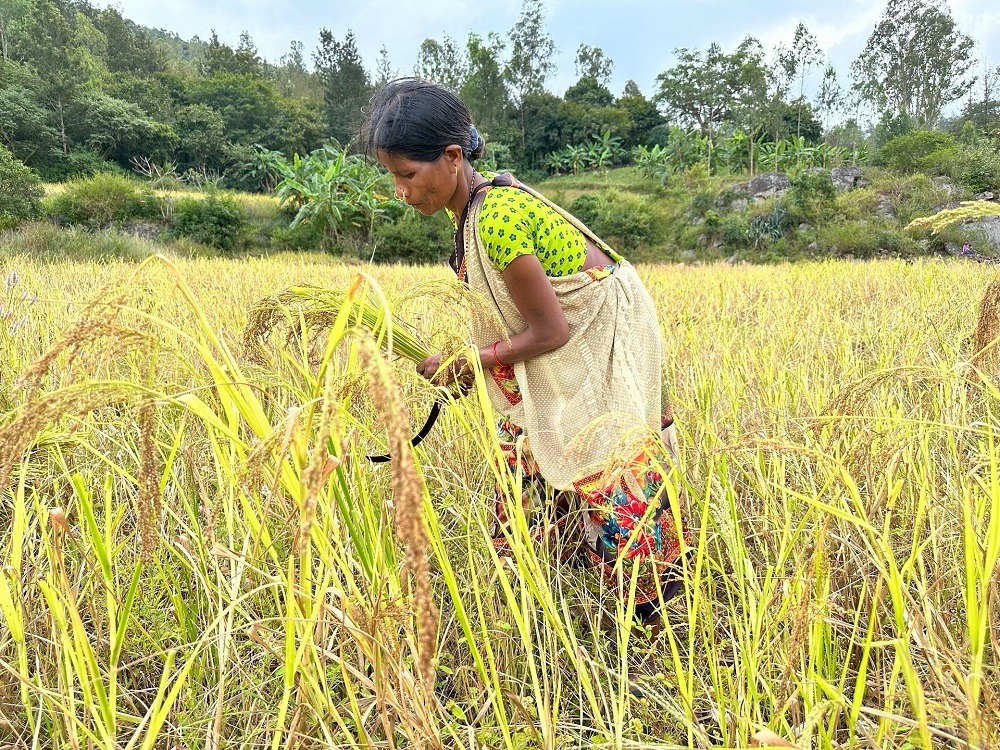
By Sudha Nagavarapu, Researcher and activist, in collaboration with Native Picture and FOLU India
Photo credit: All rights reserved, Native Picture and FOLU India
This is the third entry in a collection of field commentaries by FOLU India.
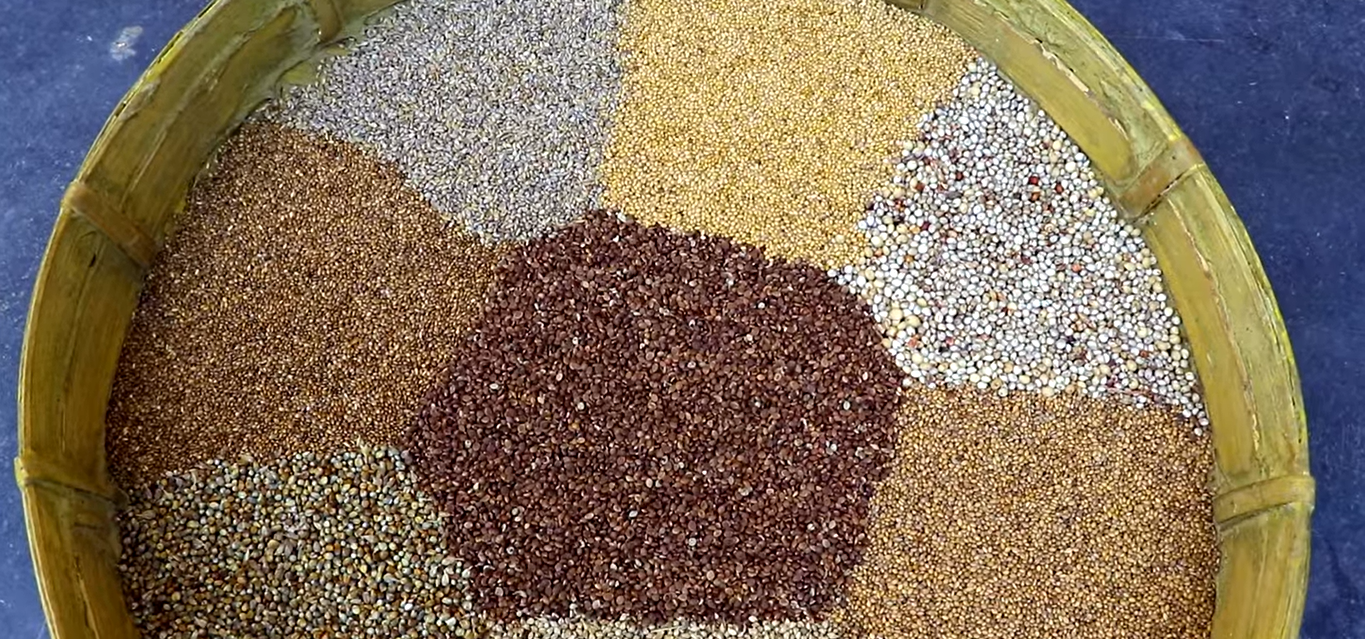
Uttarakhand, nestled in the eastern-most part of the western Himalayas is endowed with climatic variation and high rainfall. Enriching it with a sumptuous diversity of flora and fauna. Traditionally, the local farmers have grown diverse crops such as coarse cereals (minor millets-finger millet, barnyard millet, foxtail millet, little millet, proso millet), grains like rice, wheat, barley, pulses (such as horse gram, black gram, black seeded local soybean, lentil, cowpea, rice bean), oilseeds (mustard, sesame). Several underutilised crops like amaranth, buckwheat, tubers, yams, cucurbits, minor leafy vegetables, perilla and numerous medicinal herbs are also grown here.
This mix of grains, green leafy vegetables, fruits and seeds, enrich the diet with calcium, iron and many more micro-nutrients which are otherwise missing in a regular urban diet. A group of these hardy cereals are even referred to as ‘nutri-cereals’. Many of these are abundantly found in the forests of the state. However, a lack of awareness around them has limited the farming community from reaping the benefits of these crops.
Project SAHELEE (Striving for Advancement in Health and Improved Quality of Life through Entrepreneurship and Education) in Uttarakhand, as part of Food and Land Use Coalition (FOLU) efforts in India, is an initiative to promote the production and consumption of traditional grains by local communities of Mukteshwar.
Steeped in the local culinary culture and ingredients, project SAHELEE and FOLU India endeavour to build nutrition security for the local population, as well as promote the cultivation of hardy crops rich in nutrients. It has been noted that some food groups outrank others with their nutritional benefits. Therefore, one of the objectives of SAHELEE is to create awareness within communities on planting and procuring food crops that are the healthiest. For instance, we would like them to choose amaranth seeds over other grains, ragi over rice, carrots over potatoes, and inexpensive berries to boost the nutrient content of their food basket. This is an important adaptation measure in the face of climate change, as these crops require low resource input for cultivation and can bear rough weather conditions.
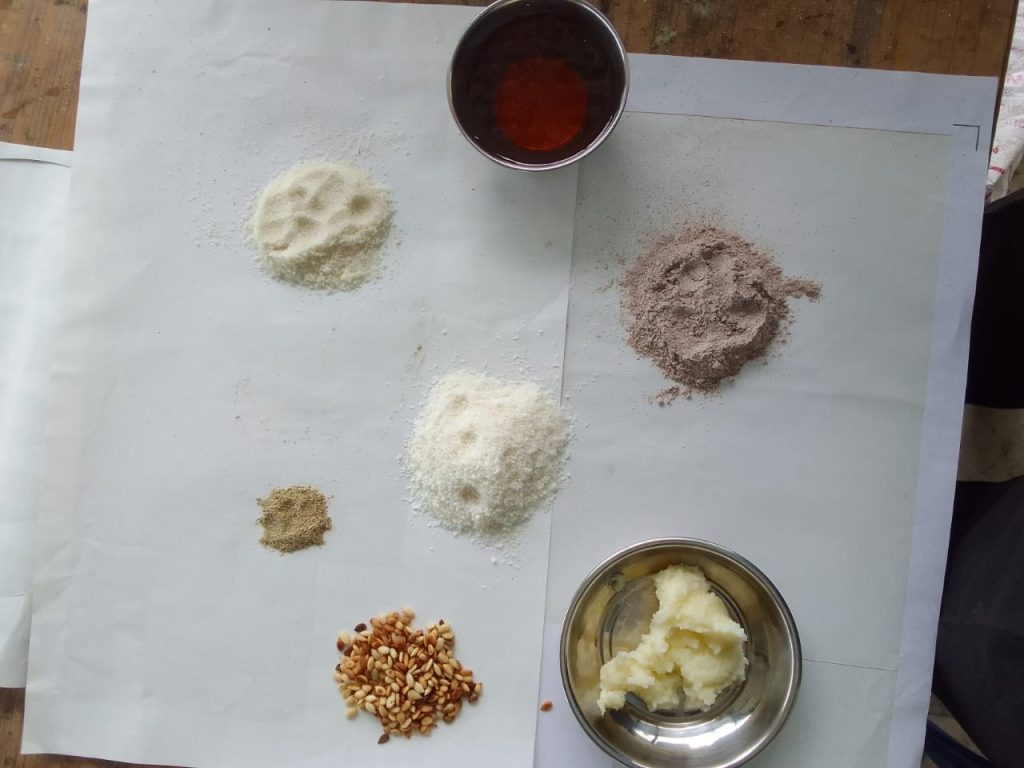
By increasing community awareness about the nutritional value of these food items and their direct impact on improved health, we aim to increase the demand for healthier and sustainable food products. As part of this initiative, field teams led by TERI, a FOLU India core partner, are in the process of developing new and exciting nutritious food products. These include ragi granola bars which incorporate local tastes and flavours for effortless local acceptability in their diets. This would help to expand the range of healthier choices available within the local population.
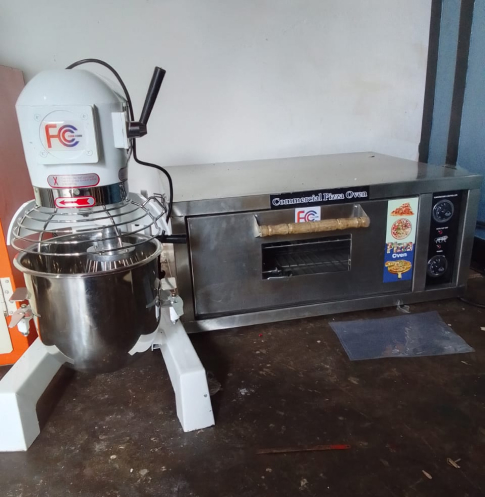
Each of these products are to go through a rigorous process of lab testing and food safety certifications before being cleared for local manufacturing. The next step would be to enable women-led Self-Help Groups (SHGs) in the area to develop these products. SHG members would be trained on the nutritional value of the ingredients, the process for creating each of the identified food items, and packaging them.
To create long-term impact, we will work closely with women farmers and SHGs to develop products that are processed at scale and marketed locally to boost the incomes of the farming community even during the non-farming season. They will be trained to use solar energy for production techniques, thereby negating any possible adverse impacts on local air quality and reducing the carbon footprint of their finished products.
One of the goals of SAHELEE is also to mainstream the intake of these fortified products through the school feeding programme. Given that one out of two children is anaemic and one in five is undernourished, as per the National Family Health Survey (NFHS-5) report of Uttarakhand, the incorporation of these local superfoods can help address the nutritional adversity of the state’s young population.
This would also provide a market entry point for women entrepreneurs associated with the activity. In the long run, the project will enable gender mainstreaming by placing women in job roles beyond the traditional on-farm cultivating ones, usually taken up by women.
Photo credit: Vidhu Gupta
Authors: Meena Sehgal, Fmr Senior Fellow, The Energy and Resources Institute (TERI) and Vidhu Gupta, Fmr Associate Fellow, TERI. TERI is a FOLU India core partner
To know more about FOLU India’s efforts to promote resilient & healthy diets, read the full compilation of field commentaries here.