Plates of health: FOLU India’s Poshana Vanitha initiative improves nutrition and local economy in Telangana
FOLU India’s women-led circular initiative helps to catalyse the local economy worth USD 12,756 against a pilot investment of USD 2,825, ultimately unlocking public finance worth USD 750,000.
The Poshana Vanithas
“Being a Poshana Vanitha is now my identity in the neighbourhood.” 45-year-old Chandramma from Metlakunta village of Telangana says that this is now her aim in life to reach out to as many people as possible and encourage them to consume nutritious food.
“I believed that by improving our diet, we could reduce dependency on medicines. Even if not for business, I wanted to provide healthy food to my family,” says Shankunthala from Gokafasalwad village.
Both Shankunthala and Chandramma, who are from the Vikarabad district in Telangana, had earlier observed health related issues in their own families and their community, especially in women and children. Ever since their engagement with the Poshana Vanitha programme, translated as the Nourishing Women, they have seen noticeable difference in the health conditions of their people. Chandramma mentions about a family member who experienced relief from knee pain through integration of more nutrient-dense grains in their meal plate, especially millets. Shankunthala talks about her husband’s high blood pressure concern which was managed through diversified food items.
“I observed that people across all age groups in the village, including my family, were facing lifestyle-related health issues. Whenever we visited doctors, they consistently advised us to improve our food habits and eat healthier,” says Vasavi, another Vanitha from the Erlapally village in the Vikarabad district.
Initiation
The Poshana Vanitha programme was introduced as a pilot by WASSAN in 2022, a core partner of Food and Land Use Coalition India, as part of FOLU India Sustainable Rainfed Agriculture Programme (FISRAP). FISRAP is an umbrella initiative of FOLU India for transforming agricultural landscapes in rainfed areas. Under the programme, a group of women from across 31 villages of the Vikarabad and Sri Sathya Sai districts were provided training workshops to equip them with the knowledge on the importance of nutrition, diversification of food plate and leveraging locally grown foods through generational or traditional recipes. “Seeing the increasing health issues within my family, I decided to join the programme. I wanted to learn more about nutritious food and provide healthier options for my family members,” says Vasavi.
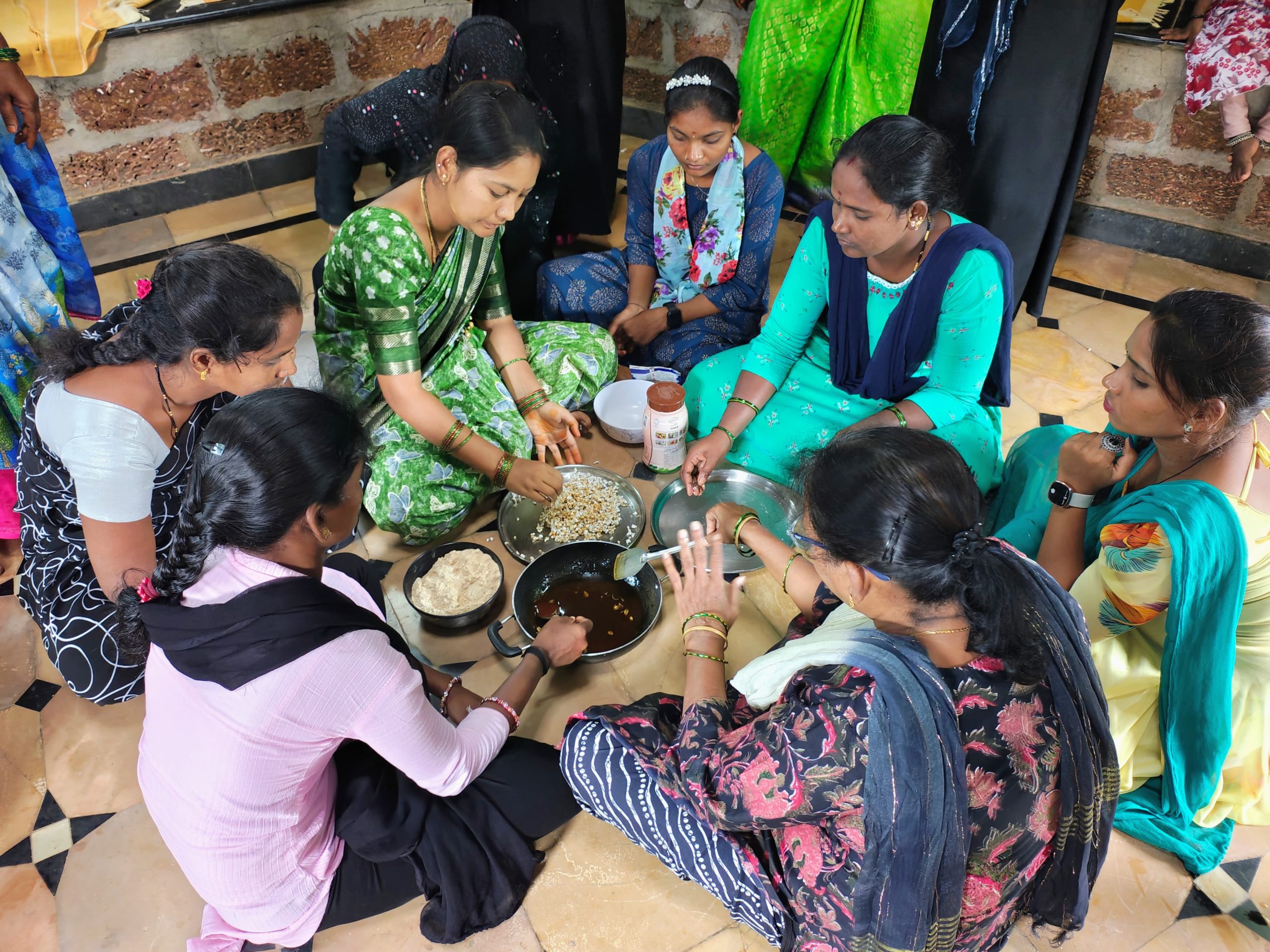
Vanithas preparing traditional nutritional recipes with other community women
Once sensitised and well-informed, these Poshana Vanithas worked through women collectives such as Self-Help Groups that were already active in the village to organise community workshops for other village members where they explained to them the health benefits of consuming fresh and a wide variety of foods, compared to a handful of staple grains and vegetables. Once other community members found value in what the Poshan Vanithas shared, they were keen to know more.
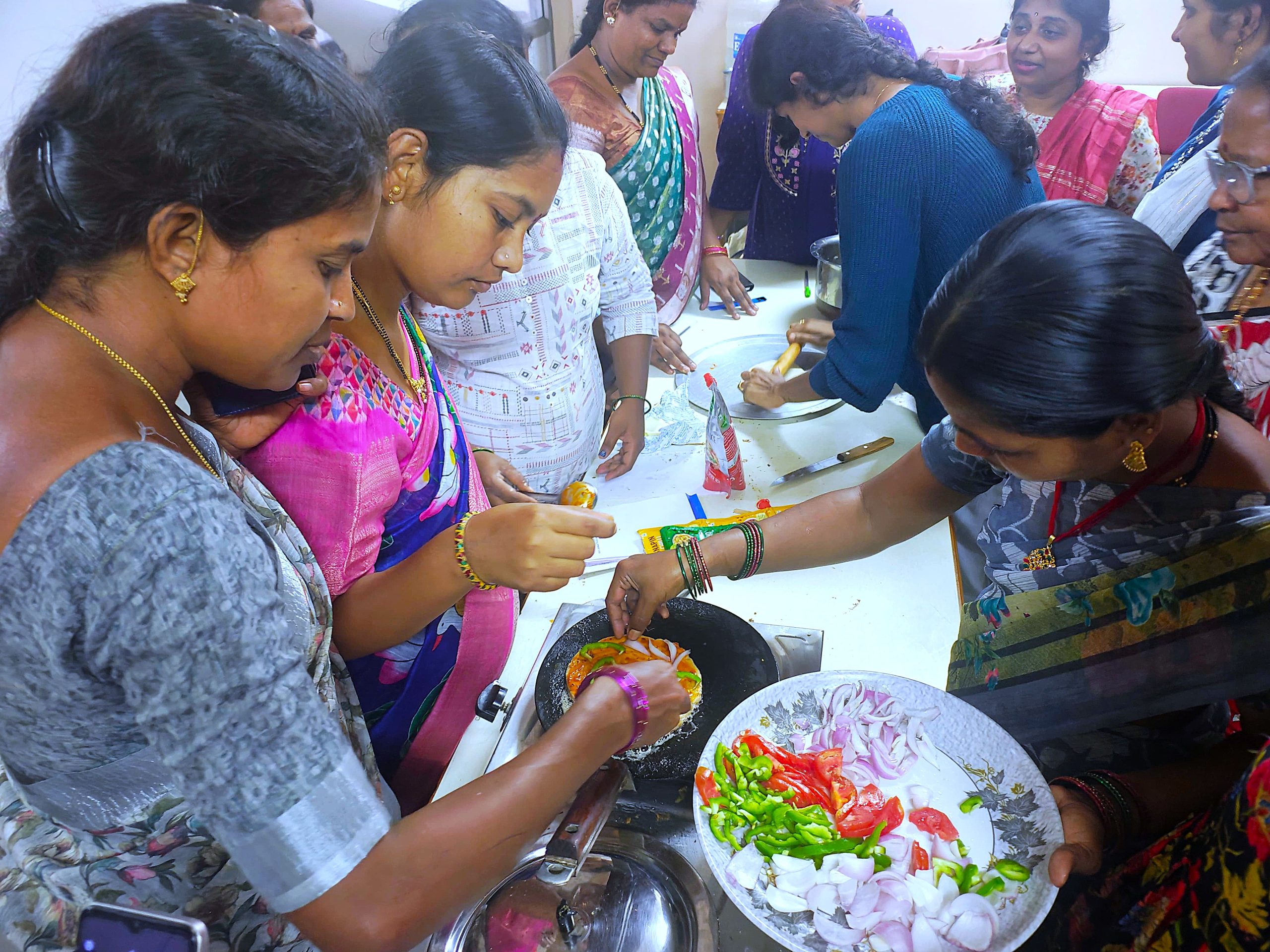
Hands-on training being provided to women through a culinary workshop
Through culinary trainings, the Vanithas shared and exchanged with other community women the traditional forgotten recipes of millets and other locally grown foods. They also demonstrated innovative ways of cooking these foods so that young children find them delicious, encouraging mothers to prepare nutrient-dense snacks at home so that the children shift away from ultra-processed food packets. The ‘One Millet Meal a Day’ motto promoted during workshops and food festivals conducted by the Vanithas have become increasingly popular in their communities.
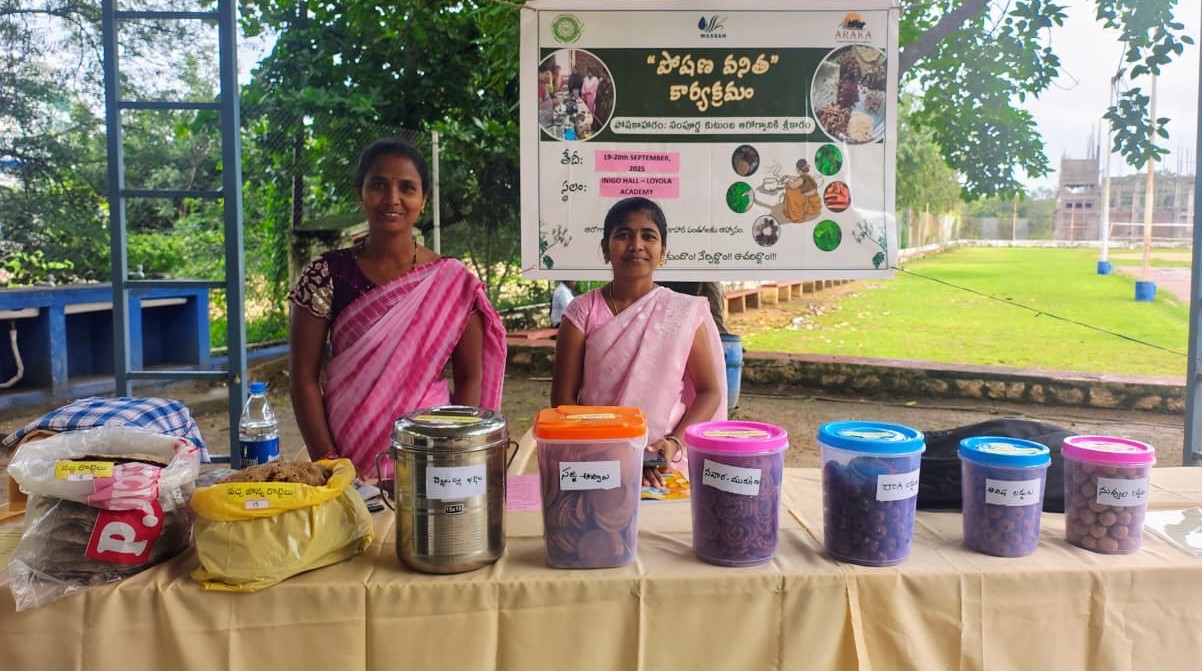
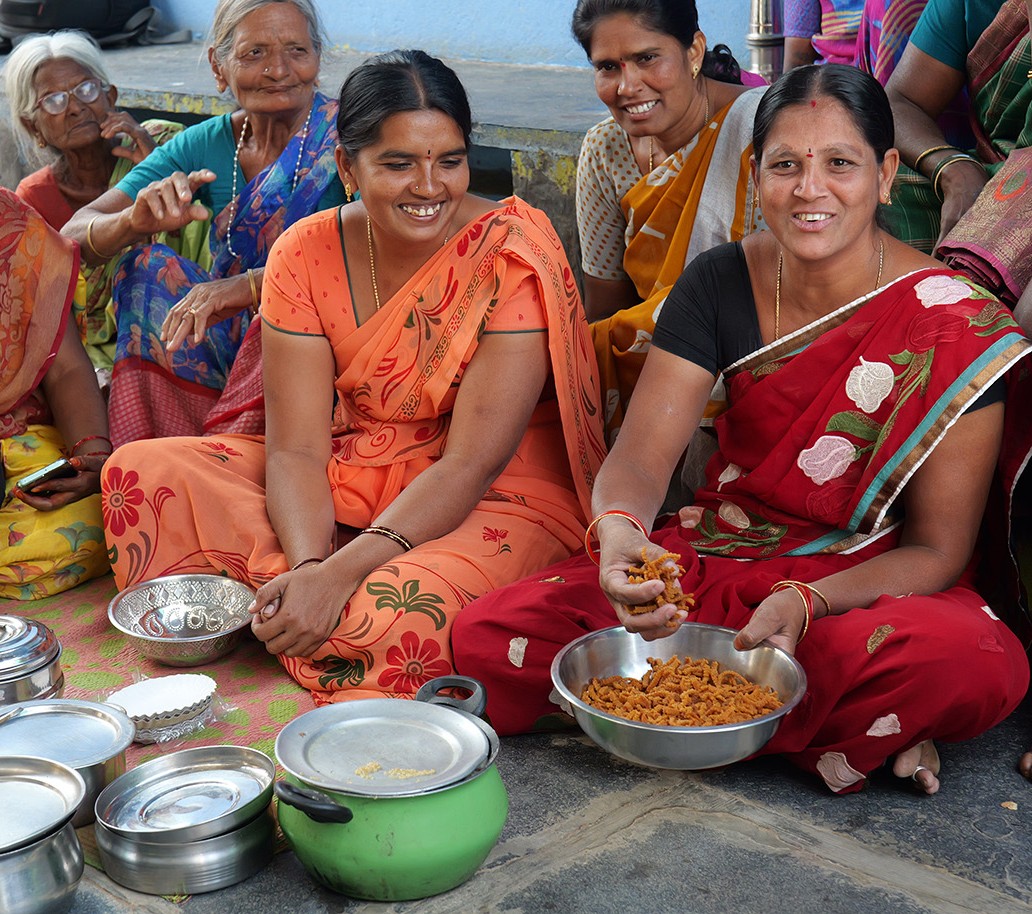
Shankunthala (left) with co-Poshana Vanitha Anita at her stall at millet festival in a college, showcasing various snack items
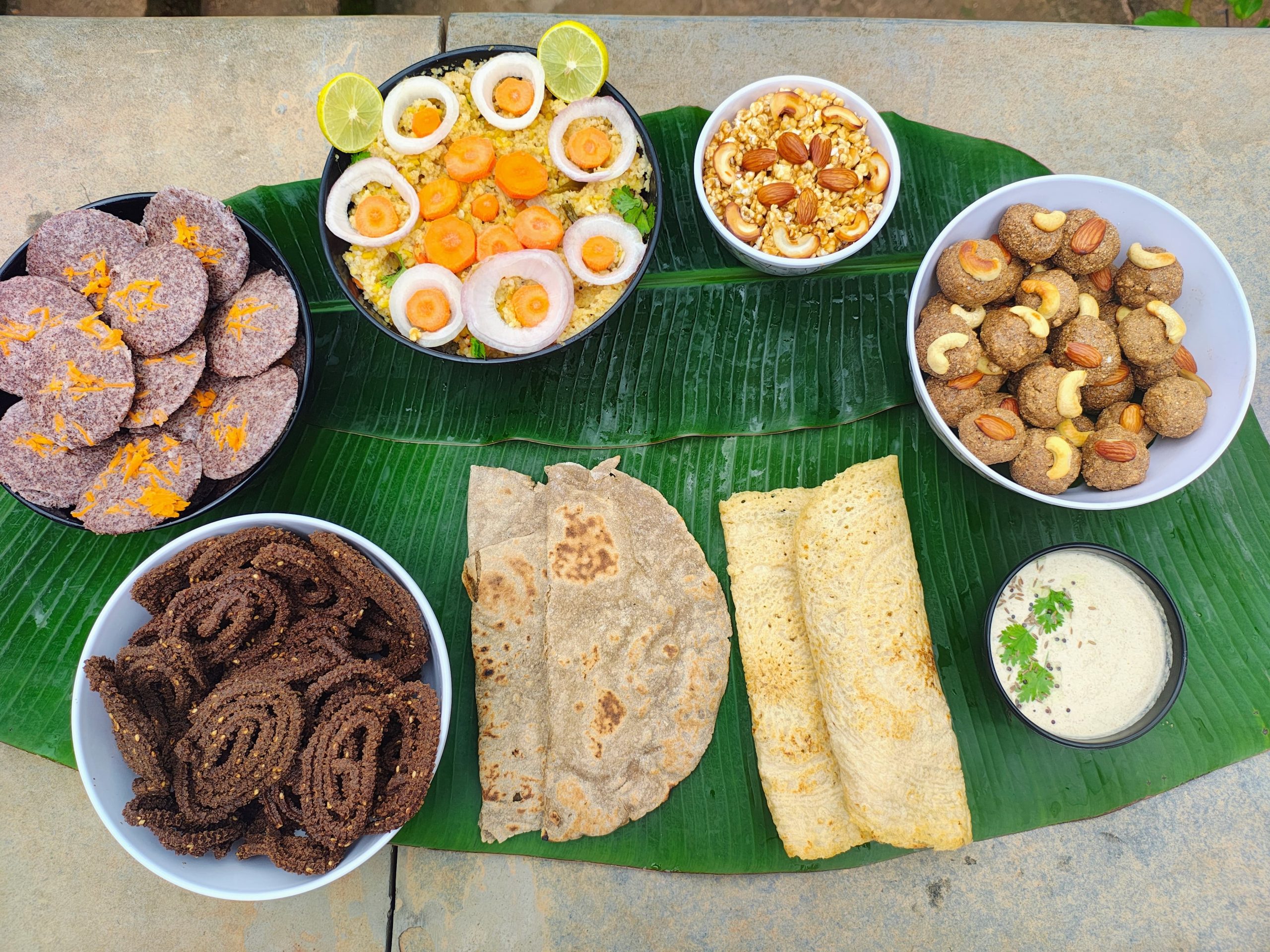
A millet-based ‘poshana thali’ or nutrition plate, comprising food items like ragi idlis and laddoos
While envisioned to improve the nutritional status of entire households, the programme has significantly benefited young children, adolescent girls, and women. The focus group was selected based on dietary and anthropometric assessments, which was supported by Anganwadi and ASHA workers.
Extension
The programme grew in its scope when subsequently these village meetings were also joined by doctors from Primary Health Centres, health workers and community who further medically explained the nutritional benefits of millets, forest foods, backyard poultry, and dairy products, and a diversified food plate, with the help of charts and other visuals.
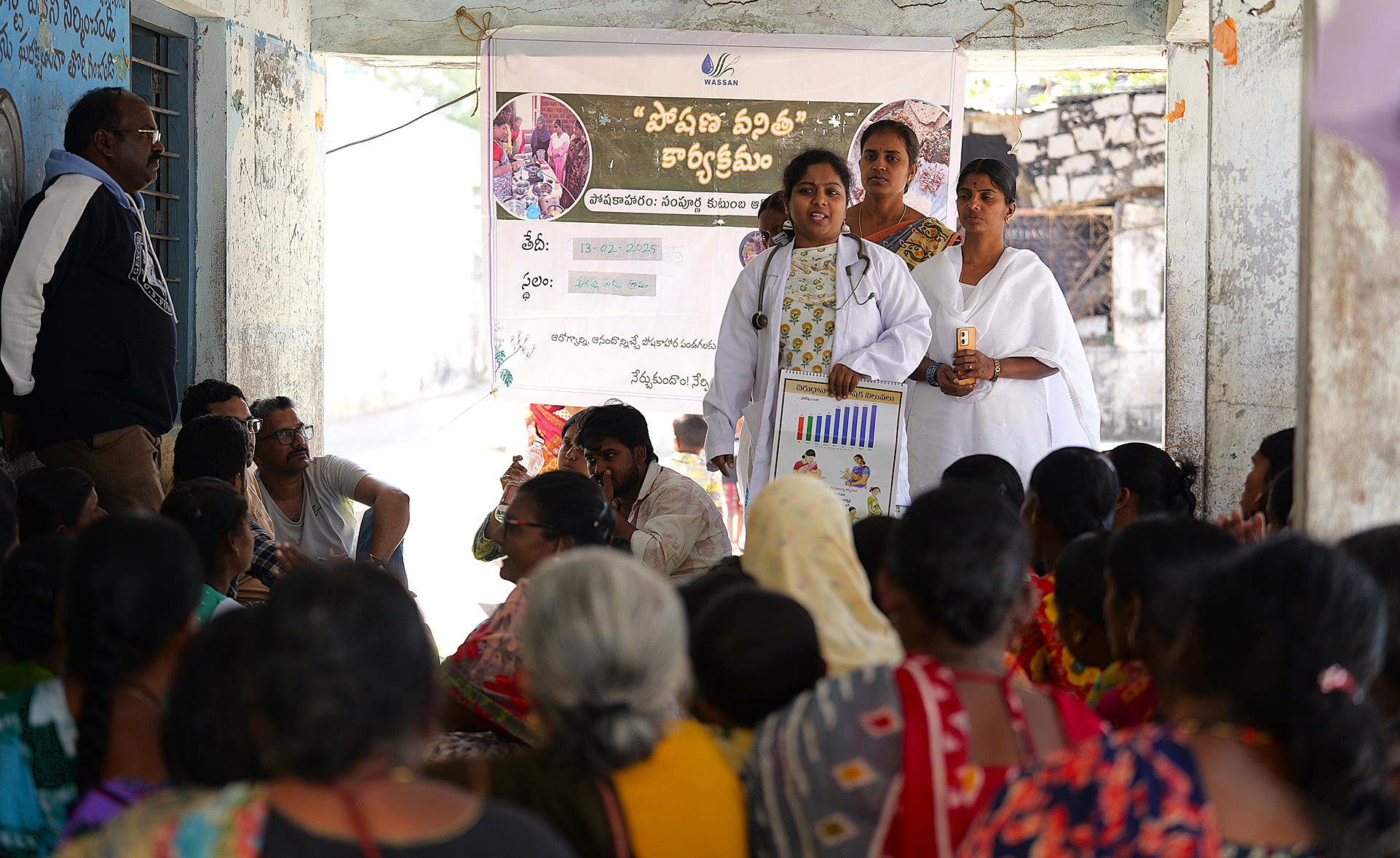
Community health workers and PHC doctors explaining the value of diversified nutrient-dense meals at a village community meeting
The programme’s integration with the farming practices in the villages extended it further in the value chain. Driven by community demand for local and seasonal grains and horticulture crops grown sustainably, the farmers adopted methods that were less chemical intensive and regenerative in nature. This also helped to address the once-declining agrobiodiversity of the region. Farmers who once practised monocropping for commercial reasons have veered towards nutrient-dense crops that are now providing them both, household nutrition as well as incomes through Farmer Producer Organisations (FPOs). “There is now a growing demand for millets, desi rice, and vegetable seeds from farmers,” says Shankunthala. This was made possible by establishing market linkages (local shops and eateries) with FPOs.
Further, through the introduction of value-added products such as ready-to-cook food items and other snacks, the Vanithas found additional livelihood opportunities where they were seen and respected as entrepreneurs in their communities. “I have started earning an additional income of around INR 5,000–6,000 per month by selling these nutritious snacks. As I run a general store, I display our products on the shelves, which has helped attract more customers. Along with income, I have also gained recognition in the community,” Vasavi mentions gleefully, another Vanitha from a different village in the Vikarabad district. Like Vasavi, many other Vanithas are earning on an average a surplus of INR 6,000, which gives them financial independence and a social standing both within and outside their households.
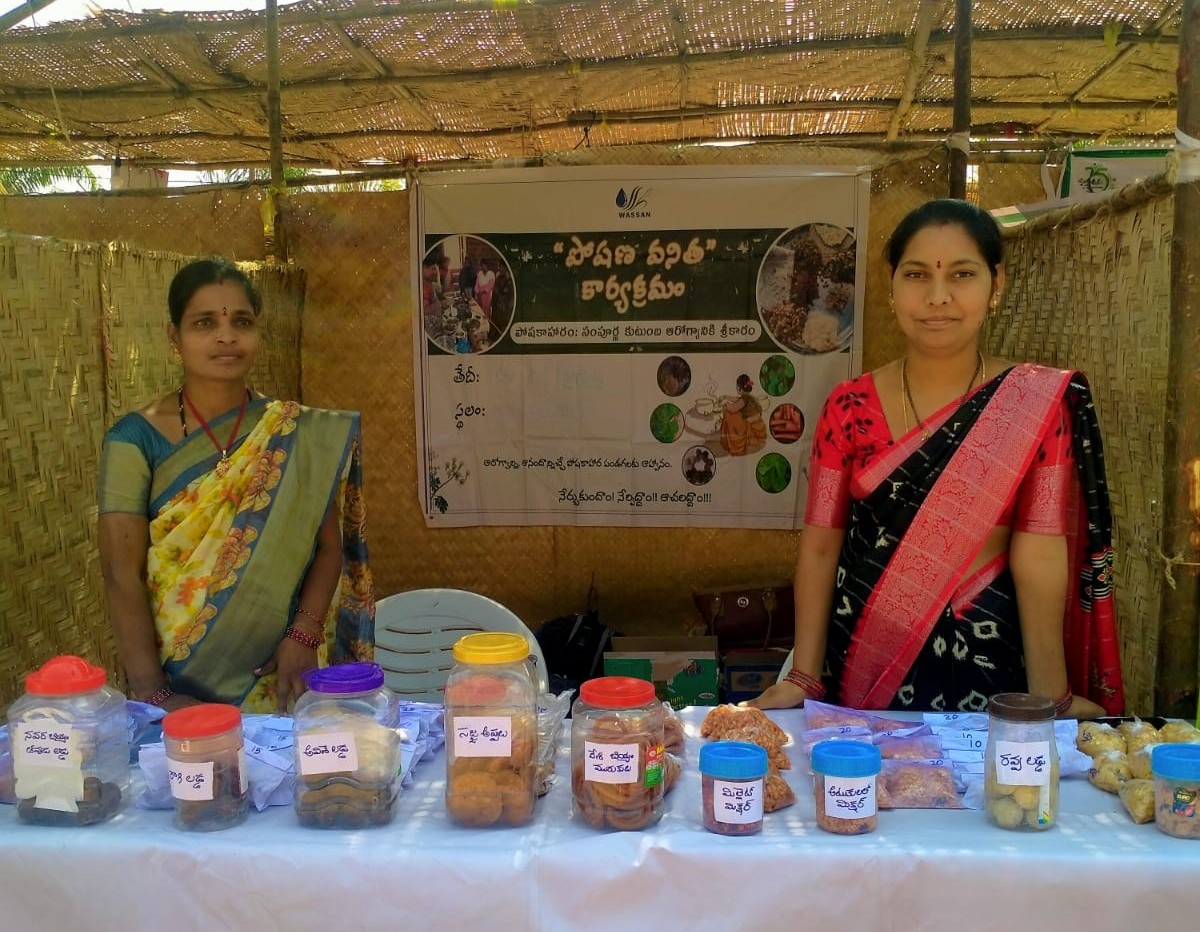
Vasavi (left) showcasing nutrient-dense ready-to-eat snacks
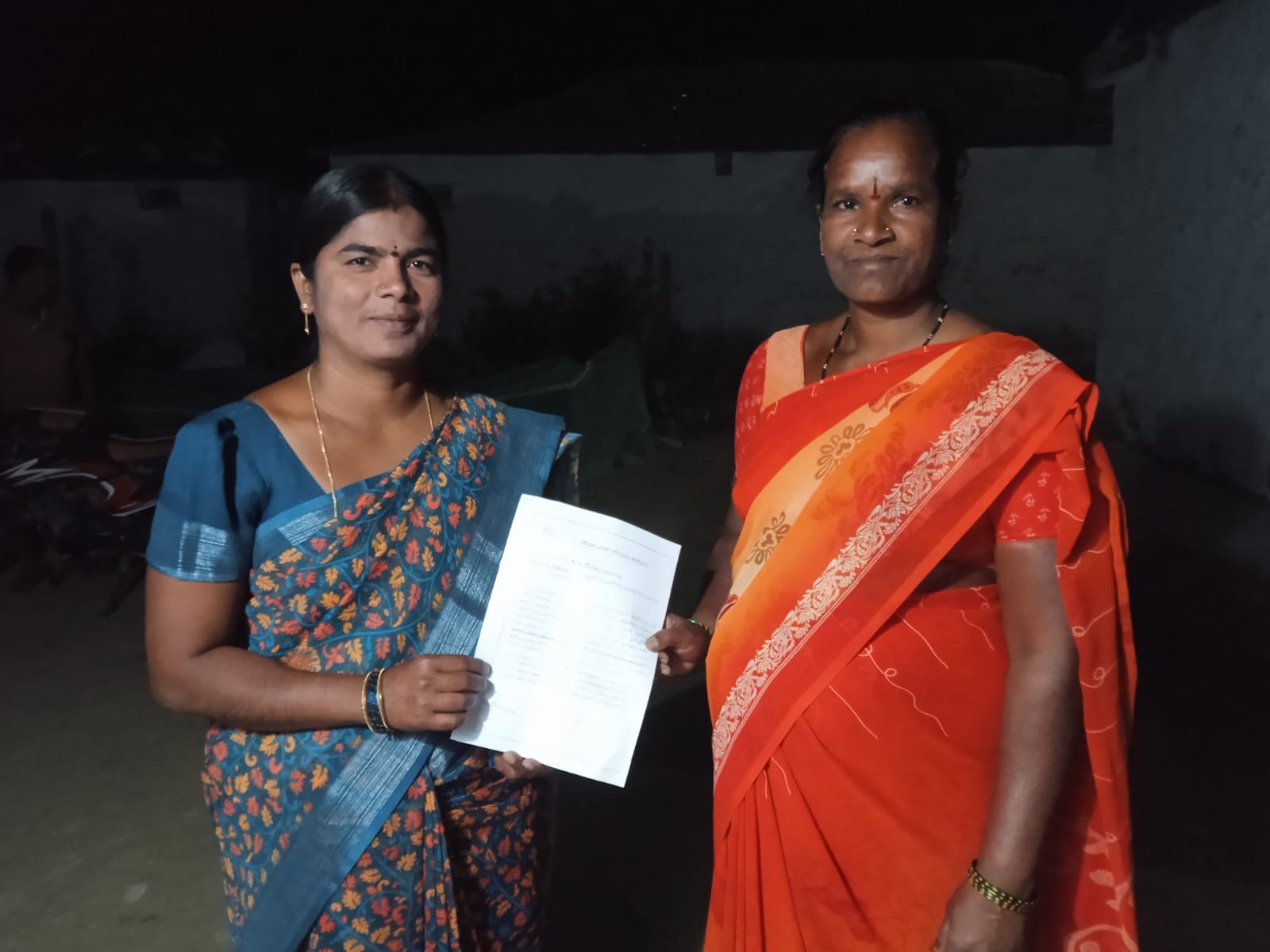
Chandramma inviting Village Sarpanch to the Poshana Vanitha Food Festival
What is in the future?
From being malnutrition-hit, these villages are now swiftly transforming to being nutritionally secure, with gram panchayats providing a strong support to the Poshana Vanithas by committing to make their villages ‘malnutrition-free’. The programme also has a strong alignment with existing national government initiatives like Poshan Abhiyaan and National Rural Livelihood Mission. Once scaled up, the programme’s current impact is estimated to increase from 4,280 households in 31 villages to 320,000 households across 467 villages, with the cumulative value of local economies climbing up from USD 12,756 to USD 9 million annually. With funds to support its adoption and expansion in other states, especially those performing low on rural health indices, Poshan Vanithas can create long-term and lasting ground impact on all three fronts – nutrition and livelihoods (human capital), better access to food and income opportunities (social capital) and diversified agriculture (natural capital).
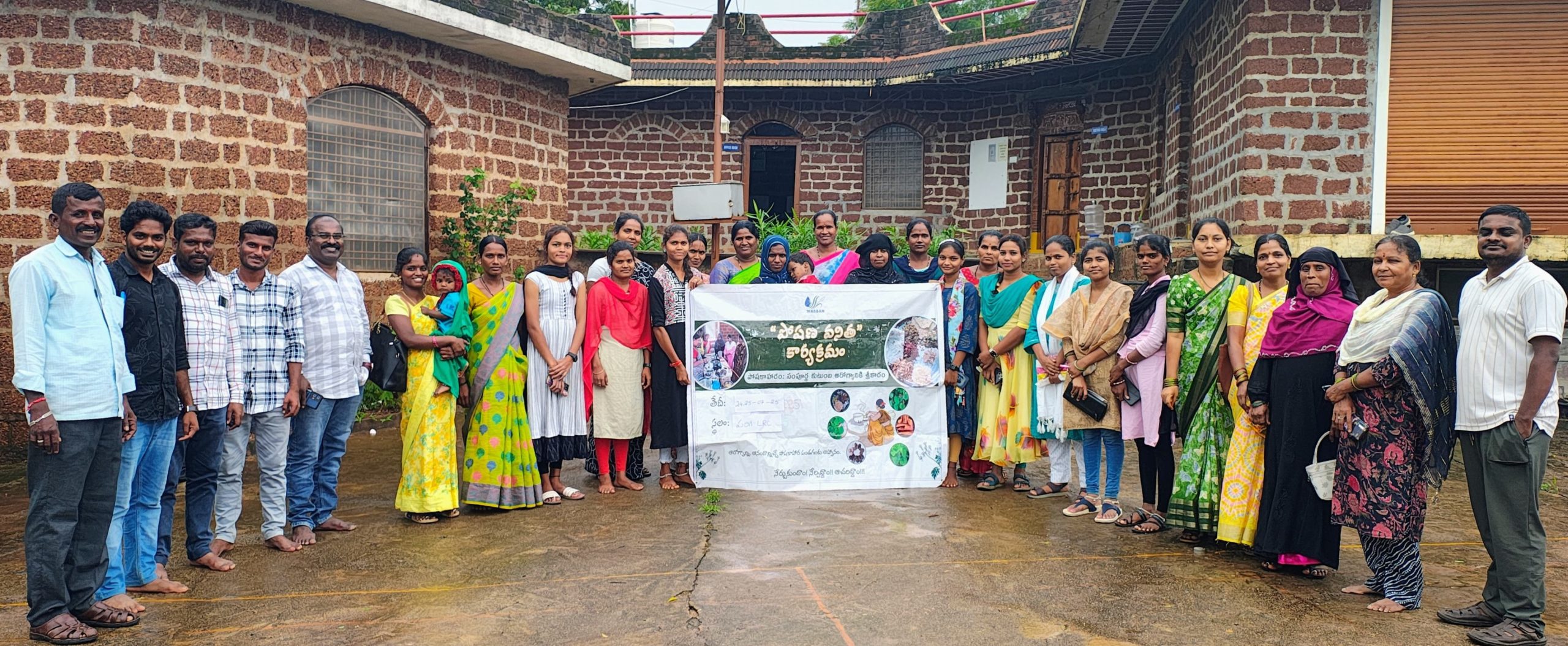
All photo credits: Bineesh Kandiyil (FOLU India) and Narasimha Reddy and Anil Uppalapati (WASSAN)
Share the article: